
What a Slower Housing Market Means for Window and Door Decisions
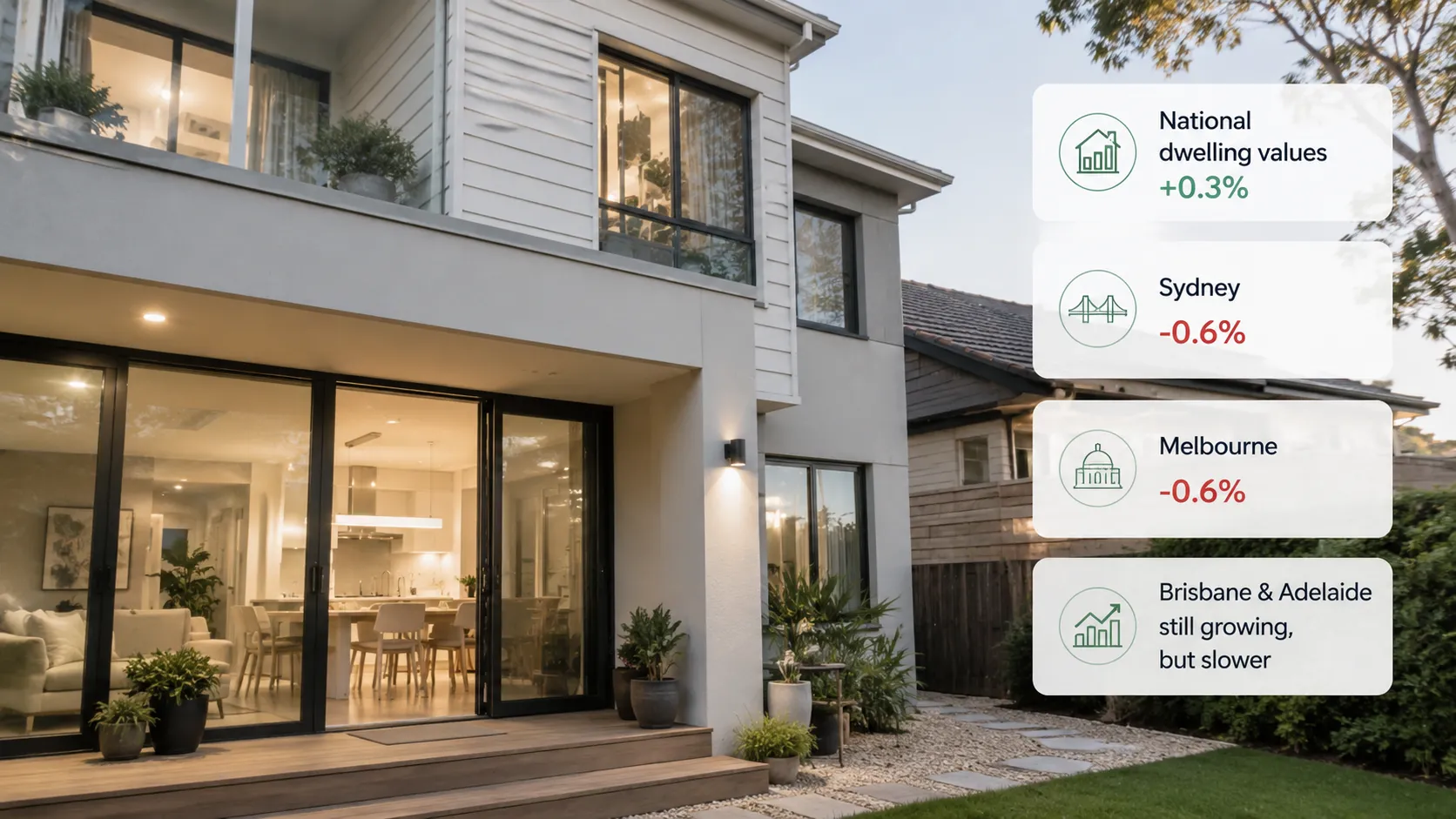
Australia's housing market entered a slower and more fragmented phase in April 2026. RESI's summary of Cotality's May Home Value Index reported national dwelling value growth of 0.3% for the month, while Sydney and Melbourne each declined by 0.6%. Brisbane and Adelaide continued to grow, but momentum slowed across every capital city.
These figures are housing-market indicators rather than a direct forecast for construction or window demand. However, they do provide useful context for builders, developers and homeowners making decisions about residential projects, specifications and budgets.
Affordability pressure makes product priorities more important
When borrowing capacity tightens and buyers become more price-conscious, residential projects face greater pressure to direct spending towards features that deliver a clear benefit. For windows and doors, that means separating high-impact requirements from upgrades that may not suit the project.
Orientation, opening size, room use, weather exposure, glazing performance and compliance requirements should be reviewed before selecting a system. A west-facing living room, a street-facing bedroom and a large outdoor opening do not necessarily need the same frame or glass make-up.
Lower-priced and regional markets still need durable specifications
RESI noted that lower-priced housing segments and regional markets remained comparatively resilient. This does not mean projects in these markets should default to the cheapest available window package. It increases the importance of selecting practical systems that suit daily use, local climate and realistic maintenance expectations.
Builders and developers may benefit from standardising suitable product families while allowing project-specific changes for exposed elevations, coastal environments, acoustic requirements or energy reports. This can support more consistent quoting without treating every opening as identical.
Energy performance should be matched to the project
Energy-efficient windows are not defined by a single glass label. U-value, SHGC, frame construction, glass make-up, orientation and total glazed area work together. Double glazing or Low-E options may be valuable, but the correct direction depends on the climate, room and energy target.
In a cost-sensitive market, reviewing the energy report and window schedule early can reduce late specification changes. It also helps avoid paying for a premium feature in the wrong place while overlooking a room or elevation where performance matters more.

Supply planning matters when projects are carefully budgeted
A slower market does not remove delivery risk. Projects still need clear dimensions, opening directions, colours, glazing, screens, hardware and delivery expectations before production. Incomplete documentation can create revisions and delays regardless of whether the broader property market is rising or slowing.
For builders and developers, sending floor plans, elevations and window schedules together gives suppliers a stronger basis for product selection and quotation. For homeowners, identifying the priority rooms and the main comfort problem can make the first discussion more productive.
The practical takeaway for residential projects
The housing data suggests a more selective market, not a market where product performance no longer matters. The practical response is to specify with greater discipline: invest where glazing, weather resistance, acoustic comfort, security or opening design materially affects the project, and avoid applying one expensive solution everywhere without review.
SMIRO supports project-based review of aluminium window and door systems, glazing, screens and configurations. Final recommendations should always be based on the drawings, window schedule, energy requirements and site conditions of the individual project.
Source and further readingHome Value Growth Slows Across Australia as Sydney and Melbourne DeclineRESI, 8 May 2026. Based on Cotality Australia's Monthly Home Value Index and referenced ABS lending data.