
Importing & Compliance
How much GST do you pay on imported windows, and can you claim it back?
By Sheng Xu · 23 October 2026
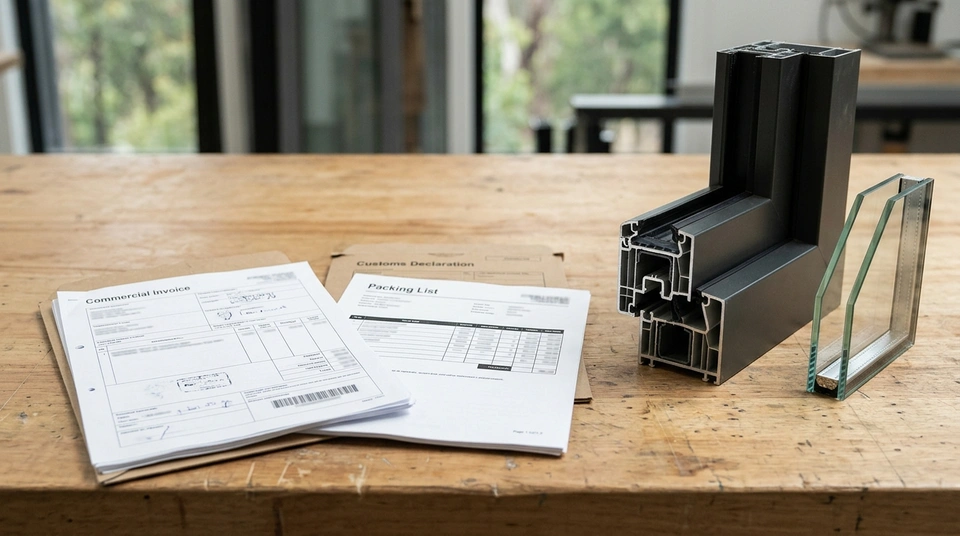
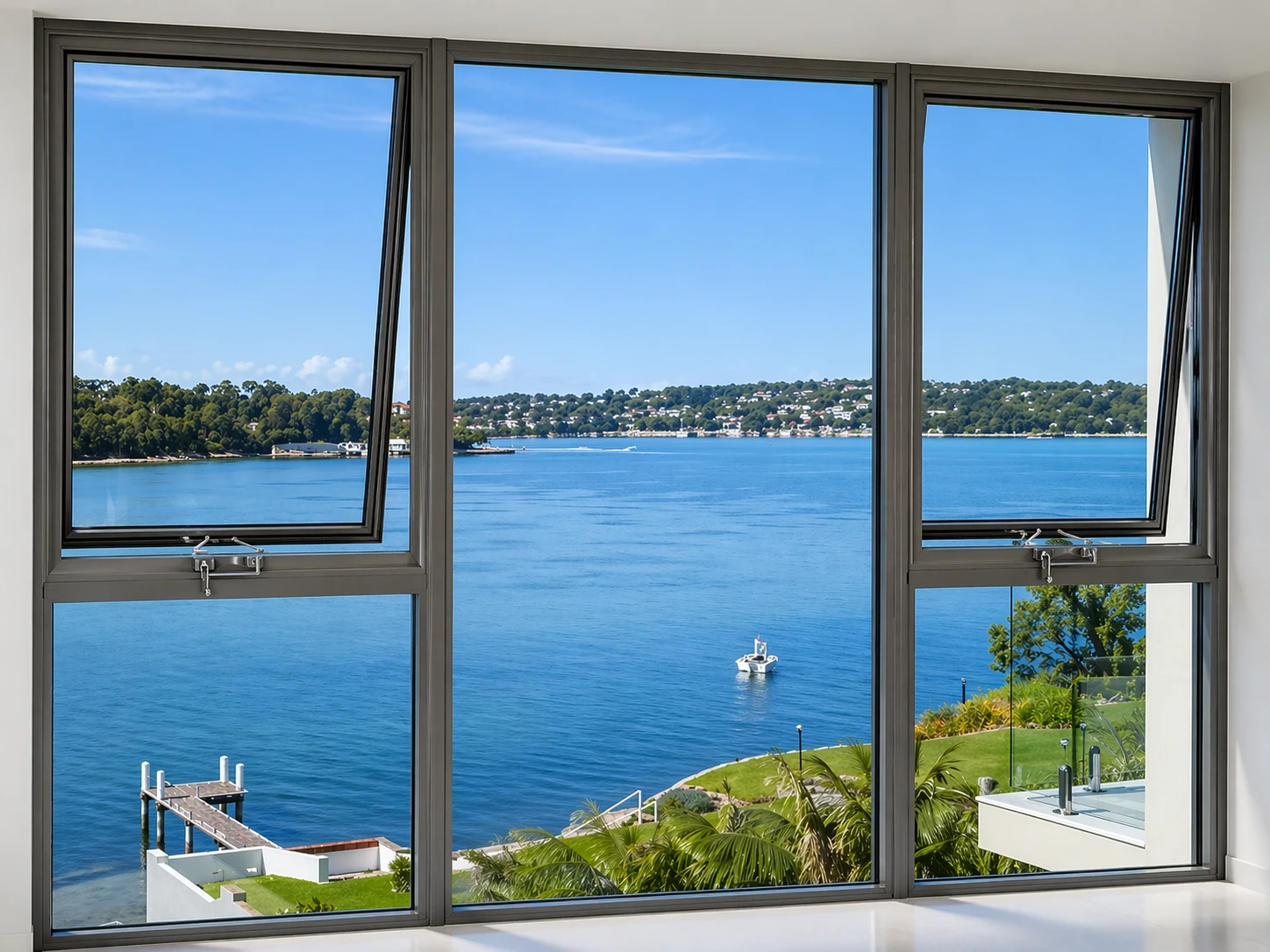
AI-generated illustrative image. Not a product test, certification record or project evidence.
GST on imported windows is 10 per cent of the value of the taxable importation, which is the customs value plus any duty plus the international freight and insurance. Everyone pays it at the border, whether or not they are registered for GST. A GST-registered business importing for a creditable purpose claims it back as a GST credit on its activity statement, and an owner-builder importing for their own home cannot.
The GST line on an imported window package is often the largest single charge at the border, although where an anti-dumping security applies it can be exceeded by the security itself. It is the charge people budget for least carefully. It is also the only charge at the border whose final cost depends on who is doing the importing, because a registered business and an owner-builder pay the same amount and end up with very different totals.
What the 10 per cent is calculated on
GST on imported goods is 10 per cent of the value of the taxable importation. That value is not the invoice price. The Australian Taxation Office (ATO) sets it as the sum of the customs value of the goods, any customs duty payable, the amount paid or payable to transport the goods to their place of consignment in Australia and the insurance for that transport, plus any wine tax. The Australian Border Force (ABF) publishes the same definition and adds the line-level formula it uses in its system, which is the customs value plus duty plus countervailing duty plus dumping duty plus transport and insurance plus wine tax.
Two parts of that formula catch importers out. The first is freight and insurance: international transport to Australia is inside the GST base even though it is outside the customs value used for duty. That means a shipment quoted FOB is not simply assessed on the invoice; the freight and insurance the buyer pays are added before the 10 per cent is applied, and the ABF notes that this includes all costs to get the goods to Australia that are not already in the price of the goods.
The second is dumping duty. It is inside the value of the taxable importation, alongside countervailing duty. So the anti-dumping security that applies to affected aluminium windows and doors from China is not the end of the cost chain: if the security converts to interim dumping duty, the 10 per cent GST is charged on a base that now includes it. Importers who treat the security as a standalone number understate the total by 10 per cent of that number.
Who actually pays it
The ATO is direct about this: GST on a taxable importation is payable by businesses, organisations and private individuals, whether or not they are registered for GST. Registration does not decide whether you pay. It decides whether you can claim a credit afterwards, and that is a different test.
A registered business can claim a GST credit on imported goods when three things are true: it makes a taxable importation, it is registered for GST, and it imports the goods for a creditable purpose. The credit is claimed in the activity statement for the tax period in which the assessed GST is paid, which is usually straightforward for a builder importing a package for a client project.
The builder, the developer and the owner-builder
For a builder importing a window package for a client's project, the GST is a timing item. The amount is paid at the border, or deferred to the next business activity statement, and claimed back in the same reporting cycle. The cash is out for a period, not permanently.
For a developer, the position turns on the nature of the supply rather than the import. A new residential premises sold as part of the development is a taxable supply, and the developer is generally entitled to input tax credits on acquisitions that relate to it. Where a project mixes taxable and input-taxed supplies, or where a property is held for rent, the credit can be apportioned or unavailable, and that is an accounting question rather than an importing one. It is worth settling with the developer's accountant before the package is ordered rather than after the GST has been paid at the wharf.
For an owner-builder importing for their own home, the 10 per cent is a real and permanent cost. There is no creditable purpose, even where the person holds an ABN for an unrelated business. On a customs value of $40,000 with $3,000 of freight and insurance and no duty, the value of the taxable importation is $43,000 and the GST is $4,300, which is money that does not come back.
That asymmetry is worth stating plainly, because it changes the comparison between importing direct and buying locally. An Australian supplier's price includes GST that a registered builder claims back and an owner-builder cannot recover either. The difference is not that the importer avoids GST; it is that the builder recovers it and the owner-builder does not, whichever way the windows are bought.
Deferring the payment
A registered business can apply to the ATO for the deferred GST scheme, which moves the payment from the border to the monthly business activity statement. To be eligible you need an ABN, GST registration, monthly rather than quarterly reporting, online lodgement and payment, and current lodgements and payments. The deferred amount is reported on the business activity statement and offset by the same GST credit in the same month, so for a fully creditable import the net effect is close to nil.
The scheme matters most for large packages, where several thousand dollars of GST sitting at the border for a month is a real cash-flow cost. It does not reduce the amount payable, and it does not help an owner-builder, who is not eligible because they are not registered and making creditable imports.
What to put in the budget
If you are a registered builder importing for a client project, budget the GST as cash timing, not as cost, and confirm that the deferred GST scheme is in place before the first shipment. If you are an owner-builder, budget 10 per cent of the customs value plus duty plus international freight and insurance, and treat it as part of the purchase price. In both cases, remember that any dumping security or interim duty that becomes payable also moves the GST base, so a change in the anti-dumping rate changes the GST line too.
The anti-dumping security referred to here is a preliminary measure: Trade Remedies Notice 2026/147 was published on 14 October 2026 and applies to goods entered for home consumption on or after 15 October 2026, and the Commissioner's final report to the Minister is due on or before 16 December 2026. This article is general information about how the GST base is calculated, not tax, customs or financial advice.
Our Products

Fixed Windows
View system
Sliding Windows
View system
Sliding Doors
View system
Stacker Doors
View system
Awning Windows
View system