Maintenance & Care
How long does double glazing last in Australia?
By Sheng Xu · 4 October 2026
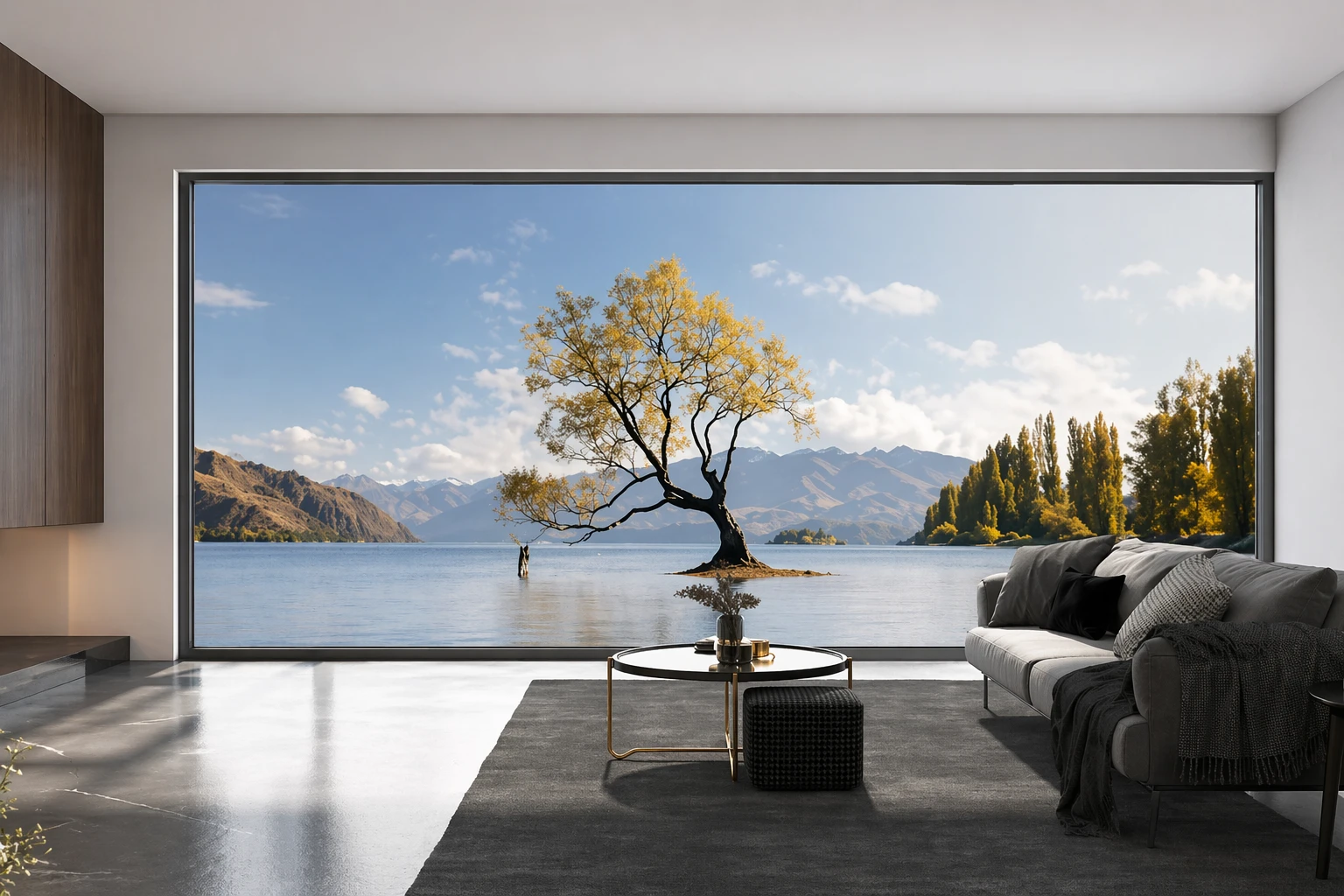
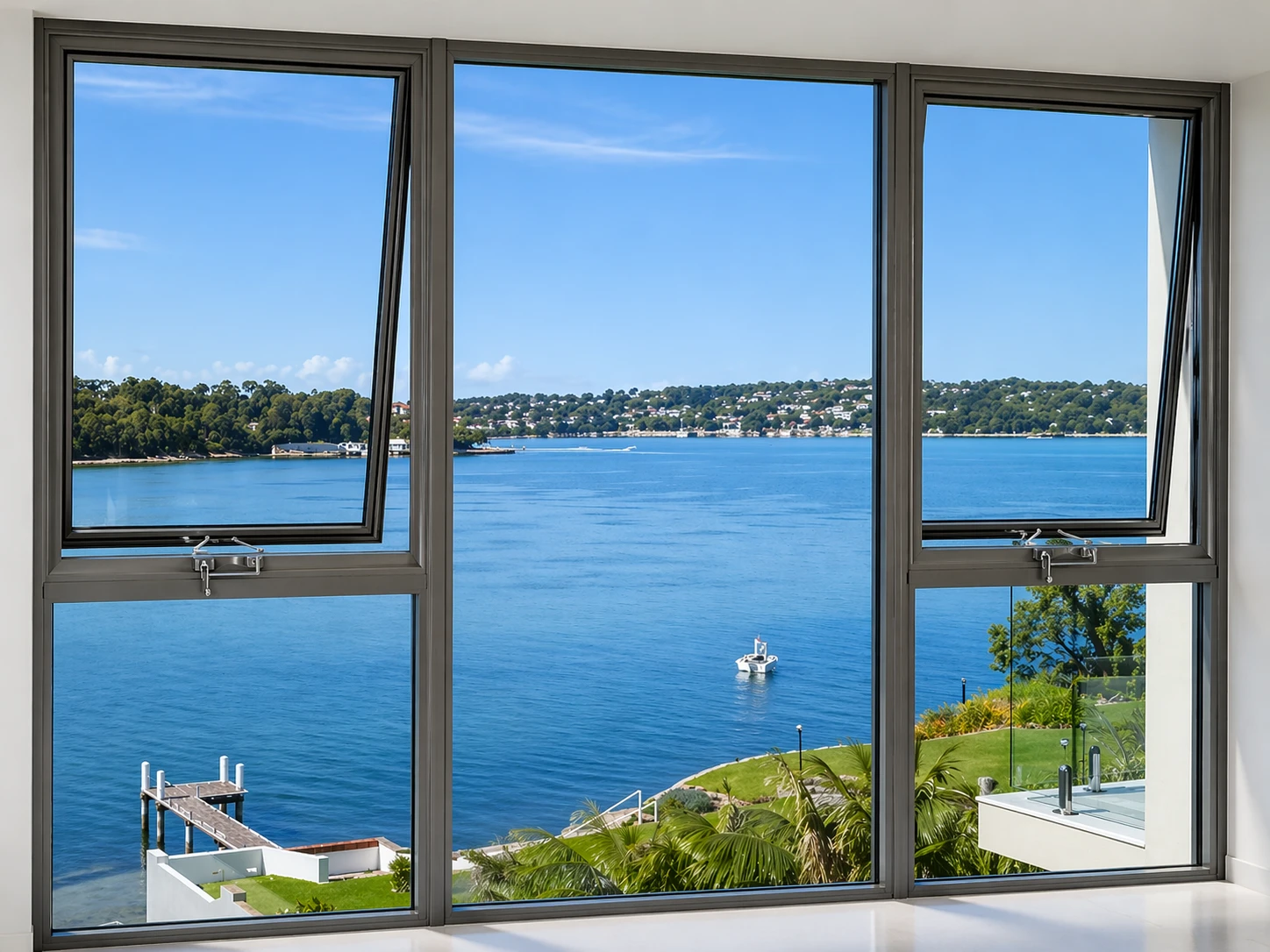
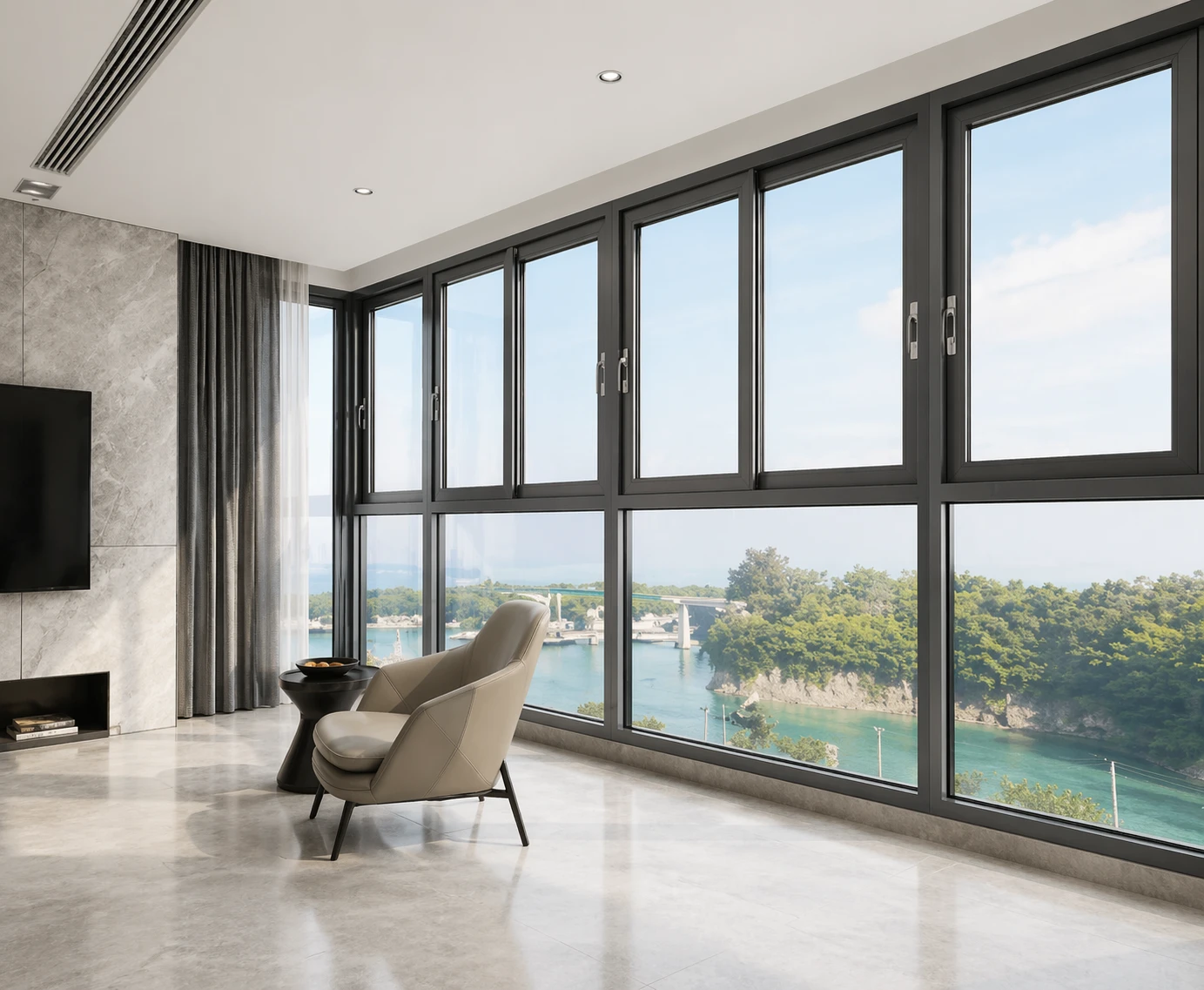
AI-generated illustrative image. Not a product test, certification record or project evidence.
In typical Australian residential conditions, quality double glazed windows last between 20 and 30+ years. A window is an assembly of components with different lifespans: architectural powder-coated aluminium frames last 50 to 60+ years, while the Insulated Glass Unit (IGU) hermetic seal has an expected service life of 20 to 30 years (warranted for 10 to 15 years). When an IGU eventually fails due to seal degradation after decades of service, the window frame does not need to be removed—a glazier simply unclips the glazing beads and replaces the glass unit alone at a fraction of the cost of full window replacement.
When Australian homeowners invest in double glazing, they are making a substantial long-term commitment to their property's energy efficiency, comfort, and value. A natural and sensible question follows: how long does double glazing actually last, and what happens when it reaches the end of its service life? The reassuring reality is that high-quality double glazed windows installed in Australian homes routinely provide 20 to 30+ years of dependable service.
However, to understand window longevity, you must view a window not as a single solid object, but as an engineered system of distinct components—each with its own degradation timeline. The architectural aluminium frame, the rubber weatherseals, the operating rollers, and the sealed glass unit all age at different rates. Knowing which parts wear out, how to recognise early warning signs, and how simple maintenance extends their lifespan protects your investment for decades to come.
The window component lifespan ladder
In a modern double glazed window, the various components have vastly different life expectancies under Australian climate conditions:
• Aluminium Extrusions (50 to 60+ Years): High-grade architectural aluminium (6063-T5 alloy) is virtually indestructible in domestic use. It does not rust, warp, rot, swell with moisture, or degrade under ultraviolet light. In standard suburban conditions, quality aluminium framing will easily outlast the occupants of the home.
• Powder-Coat Architectural Finish (20 to 30+ Years): Factory-applied thermoset powder coating provides durable resistance against chipping and fading. In coastal locations within 1 to 2 kilometres of the ocean, regular fresh-water washdowns are essential to prevent salt deposits from pitting the finish.
• Insulated Glass Unit / IGU (20 to 30 Years): The sealed double-glazed glass unit is engineered under Australian Standard AS 4666. Its lifespan is governed by the hermetic dual seals (primary polyisobutylene and secondary structural silicone). Under typical Australian conditions, quality units maintain full gas retention and airtight integrity for two to three decades, with manufacturer warranties typically extending 10 to 15 years.
• EPDM Rubber Gaskets & Seals (15 to 25 Years): Modern ethylene propylene diene monomer (EPDM) synthetic rubber seals resist UV and temperature swings far better than older neoprene. Over 15 to 20 years, exposure will eventually cause rubber to harden or lose elasticity. Gaskets are consumable items that can be easily pulled out and re-pressed into frame channels without disturbing the window.
• Operating Hardware (10 to 20 Years): Moving parts on operable windows—such as stainless steel friction stays, chainwinders, and tandem sliding rollers—are subject to mechanical wear and friction, typically requiring adjustment or replacement after 10 to 15 years of heavy daily use.
What shortens double glazing lifespan in Australia?
Australia's climate presents unique environmental stressors that accelerate wear on window components compared to milder European environments:
1. Daily Thermal Expansion Cycling: In continental and inland Australian climates, windows experience severe daily temperature swings (e.g. 36°C afternoon sunshine followed by a 12°C overnight low). Because glass, aluminium frames, and sealant compounds expand and contract at different rates, repeated thermal cycling places continuous mechanical shear stress on the perimeter seal over decades.
2. High Ultraviolet (UV) Radiation: Australia records some of the highest UV index levels in the world. Unfiltered UV radiation slowly degrades the molecular bonds of organic sealants. This explains why double glazed units on west- and north-facing elevations—which receive the most intense direct afternoon sun—frequently experience seal failure several years before sheltered south-facing windows.
3. The #1 Killer: Blocked Weep Holes and Water Pooling: Modern window frames incorporate sub-sill drainage slots to direct wind-driven rain outside. If these tiny weep holes become clogged with dust, dirt, or construction debris, rainwater pools in the bottom glazing rebate. While IGU edge seals are moisture-resistant, prolonged submersion in standing water chemically breaks down secondary silicone bonds within 5 to 8 years. Keeping weep holes clean is the single most important maintenance task for window longevity.
4. Coastal Salt Air: Airborne salt deposits accelerate galvanic corrosion on un-anodised hardware and degrade sealants. Coastal homes within 2 km of breaking surf should specify marine-grade 316 stainless steel hardware and rinse frame sills every three to six months.
Early warning signs: how to tell when double glazing is ageing
An Insulated Glass Unit rarely fails instantaneously; degradation is a gradual process that presents subtle warning signs:
• Cavity Fogging or Mineral Haze: The definitive proof of seal failure. When the seal breaches, moist air enters the cavity and saturates the internal desiccant. Moisture condenses on the inner glass faces as fine droplets, a cloudy white mist, or streaky mineral deposits that cannot be wiped away from either side.
• Perimeter Condensation Streaks: If condensation previously never occurred on your windows but begins appearing in localized bands along the bottom 20mm of glass, it can indicate that the cavity's argon gas has begun to diffuse and the unit is losing thermal resistance.
• Noticeable Increase in Traffic Noise: If outside road or street noise becomes noticeably louder in rooms where windows were once quiet, it often points to hardened perimeter weathergaskets or loss of cavity acoustic dampening.
The smart fix: replacing the glass unit, not the whole window
When an IGU eventually fails after 20 to 25 years, many homeowners mistakenly assume they must hire carpenters to rip the entire window frame out of the wall, damaging surrounding plaster, wallpaper, and exterior cladding. This is almost never necessary.
Modern architectural aluminium windows are engineered specifically for glazing maintenance. If the aluminium frame remains square, plumb, and structurally sound, a licensed glazier simply unclips the internal or external snap-in aluminium glazing beads, lifts out the failed IGU using heavy suction lifters, clears and inspects the sub-sill drainage weep holes, and beds a brand-new factory-sealed AS 4666 IGU into the existing frame.
Reglazing takes less than an hour per window, avoids all structural building disruption, and typically costs $300 to $600 per opening—roughly one-third the price of a full turnkey window replacement ($1,200 to $2,500+).
The fixed window durability advantage
If long-term structural longevity is your primary design goal, fixed aluminium windows (picture windows) provide the longest operational lifespan of any window configuration in Australian architecture.
Operable sliding and awning windows have moving sashes, roller wheel tracks, friction hinges, and multi-point locks that experience daily mechanical friction, vibration, and impact shock when closed firmly. Over decades, sash sagging can place uneven torsional stress on the corner seals of an operable IGU.
By contrast, fixed aluminium windows have zero moving parts. The heavy double-glazed IGU rests permanently cushioned inside structural santoprene rubber channels, supported evenly on heavy-duty setting blocks directly within the rigid aluminium extrusion. With no mechanical wear, no moving seals to degrade, and complete perimeter airtightness, double glazed aluminium fixed windows routinely perform past 30 to 40 years without intervention.
Frequently asked questions
How long is the standard warranty on double glazed windows in Australia?
Most reputable Australian window manufacturers provide a 10-year warranty on the hermetic seal of Insulated Glass Units against fogging or misting under AS 4666. Structural aluminium frames typically carry longer warranties (10 to 25 years), while mechanical hardware (rollers, latches) carries 5 to 10 years of coverage.
Does argon gas leak out of double glazed windows over time?
Under high-grade dual-seal manufacturing (AS 4666), argon gas diffuses through the perimeter polyisobutylene seal at an extremely slow rate—typically under 1% per year. Quality double glazed units retain over 80% of their argon gas concentration after 20 years, maintaining excellent thermal insulation throughout their service life.
Can a broken double glazing seal be repaired without replacing the glass?
No. Once the seal is breached and outside moisture has entered the cavity, the internal desiccant inside the spacer bar is permanently saturated. Attempting to inject chemicals or reseal the unit in the field does not restore the desiccant or argon gas. Deglazing and installing a fresh sealed glass unit is the only certified, permanent solution.