
Cost & Budget
How much does double glazing cost in Australia?
By Sheng Xu · 4 October 2026
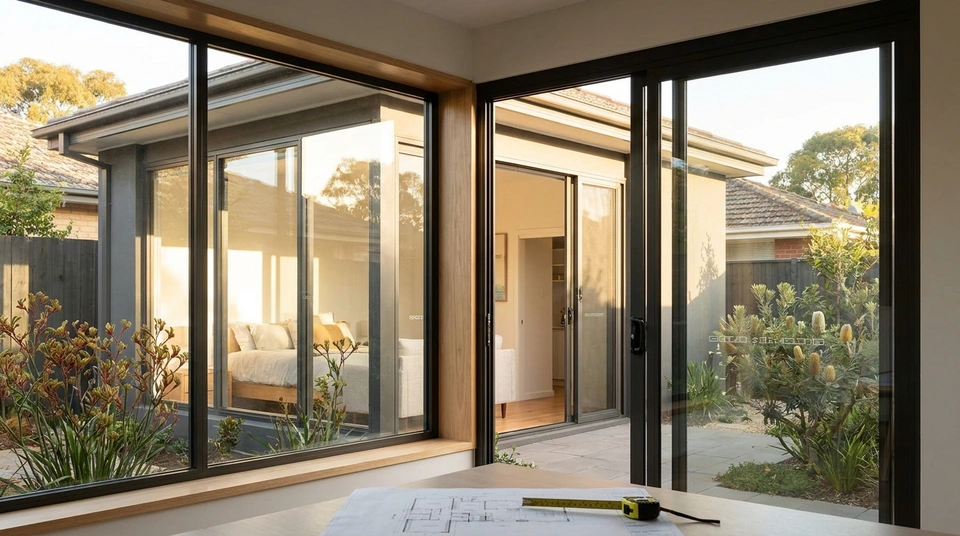
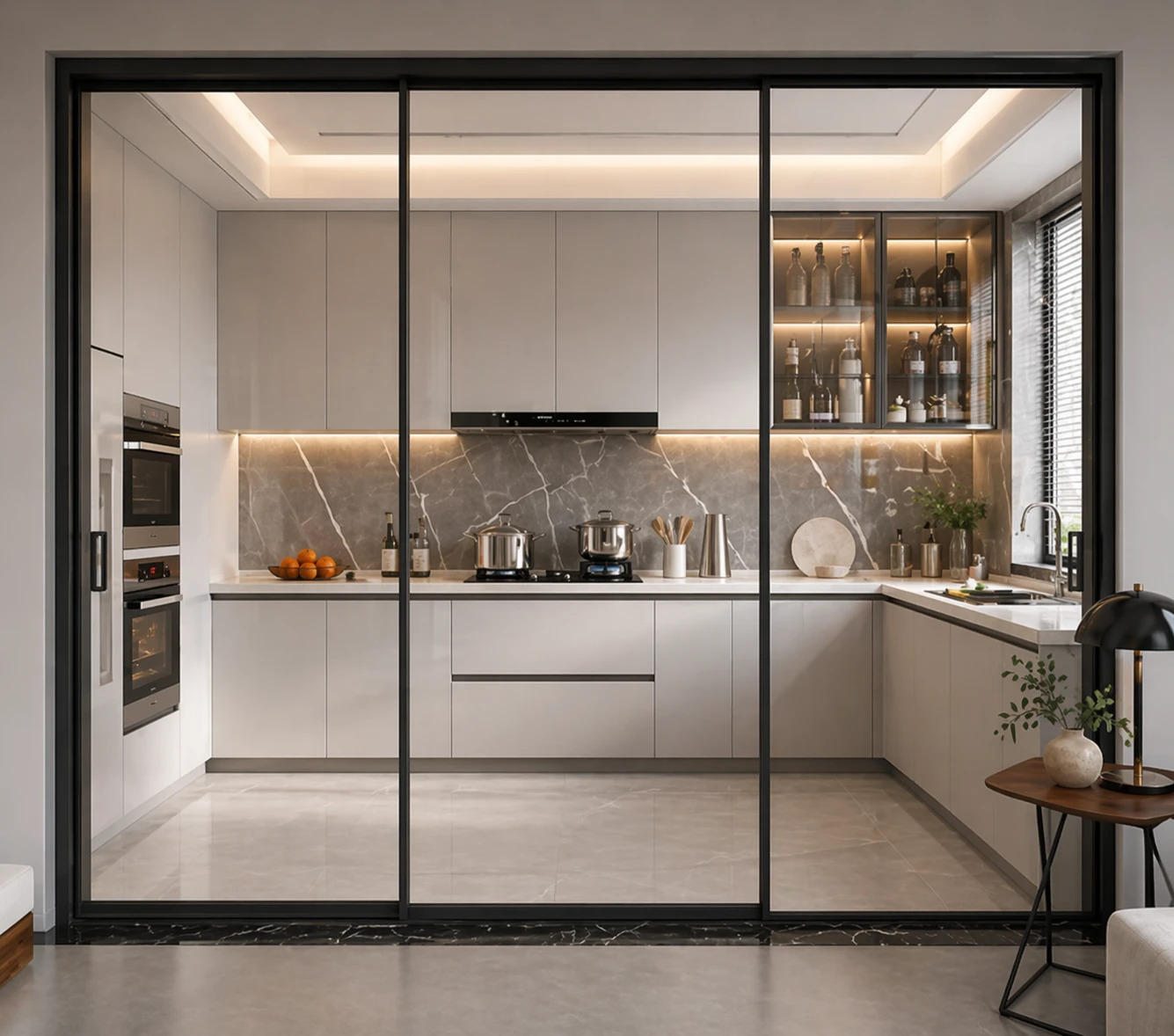
AI-generated illustrative image. Not a product test, certification record or project evidence.
In Australia in 2026, standard aluminium double glazed windows typically cost between $700 and $1,600 per window fully installed ($350 to $800 supply-only). Thermally broken aluminium double glazing ranges from $1,100 to $2,500 per opening installed. For a complete whole-home replacement on a typical 3-to-4 bedroom house (10 to 15 windows), total installed project budgets generally range between $15,000 and $35,000+, depending on window styles, glass make-ups, frame materials, and installation complexity.
For Australian homeowners planning a major renovation, window upgrade, or new build, 'how much does double glazing cost' is consistently one of the first questions asked—and the one with the most confusing answers. Online search results range from $300 per square metre to over $3,500 per window, leaving buyers unsure what a realistic budget should look like. In Australia in 2026, standard aluminium double glazed windows typically cost between $700 and $1,600 per window fully installed ($350 to $800 supply-only). Thermally broken aluminium double glazing ranges from $1,100 to $2,500 per opening installed. A complete whole-home replacement on a typical 3-to-4 bedroom Australian home with 10 to 15 windows typically totals between $15,000 and $35,000+.
The reason quotes vary so dramatically is that suppliers, builders, and online estimators often compare completely different scopes of work. A quote might describe wholesale glass replacement, a factory-direct window supplied on a pallet, or a turnkey trade installation complete with old window removal, flashings, structural reveals, and silicone finishing. Understanding how double glazing is priced in Australia ensures you compare quotes on an identical, like-for-like basis.
The three pricing formats: why quotes look completely different
When reviewing fenestration estimates, prices generally fall into one of three distinct categories:
1. Glass-Only Replacement ($300 to $600 per m²): This refers strictly to the manufactured Insulated Glass Unit (IGU)—two panes of glass and a sealed spacer bar—supplied without a frame. This rate applies almost exclusively to re-glazing or retrofitting into existing, sound timber or deep-rebate aluminium frames where the existing frame structure is retained.
2. Supply-Only Windows ($350 to $1,100 per window): This is the cost of a brand new, fully assembled aluminium or uPVC window delivered to site. It includes the frame, glazing, reveals, and operating hardware, but excludes all trade labour. Builders and owner-builders commonly purchase on a supply-only basis and contract a separate carpenter or glazier for installation.
3. Supply-and-Install Turnkey Replacement ($700 to $2,000+ per window): This represents the full service provided by a licensed glazier or window replacement company. It includes on-site laser measure, careful removal and disposal of existing single-glazed windows, sub-sill flashings, fixing into the building structure, timber reveals, architrave reinstatement, and weatherproofing to Australian Standard AS 2047. Labour, access equipment, and waste disposal typically add $300 to $600 per opening on top of the supply price.
Window styles and the fixed window cost baseline
The operating mechanism of a window is one of the most substantial price drivers. Moving sashes require precision aluminium extrusions, friction stays, tandem rollers, compression seals, and locking hardware, all of which add manufacturing and labour costs.
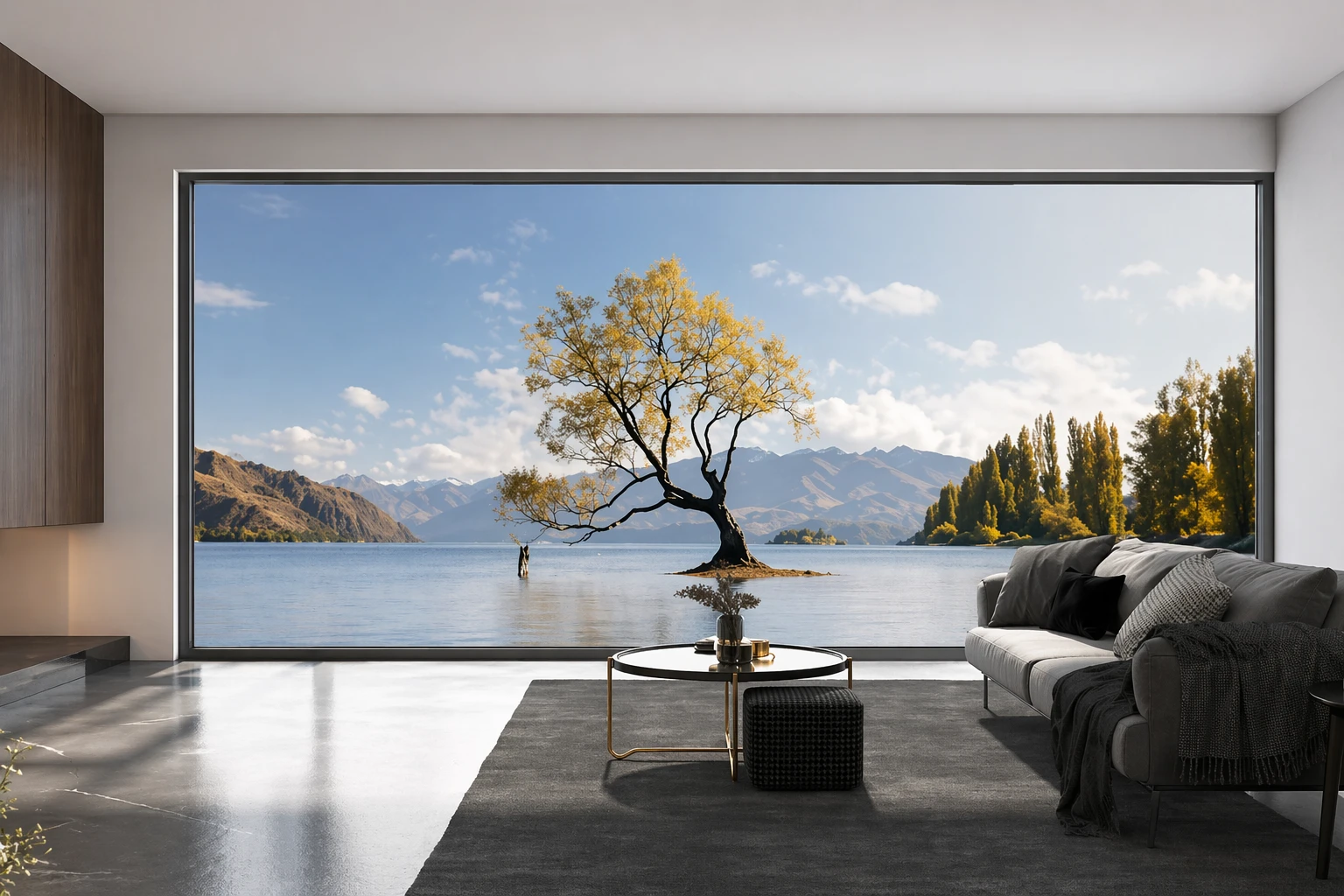
Fixed windows (picture windows) represent the baseline lowest cost per square metre in any fenestration schedule. A standard double glazed fixed window (e.g. 900mm x 1200mm) typically costs $350 to $650 supply-only, or $650 to $1,200 fully installed. Because a fixed window has no opening sashes, friction hinges, or roller carriages, fabrication is streamlined, and glass accounts for over 80% of the opening area.
By comparison, operable windows require additional engineering:
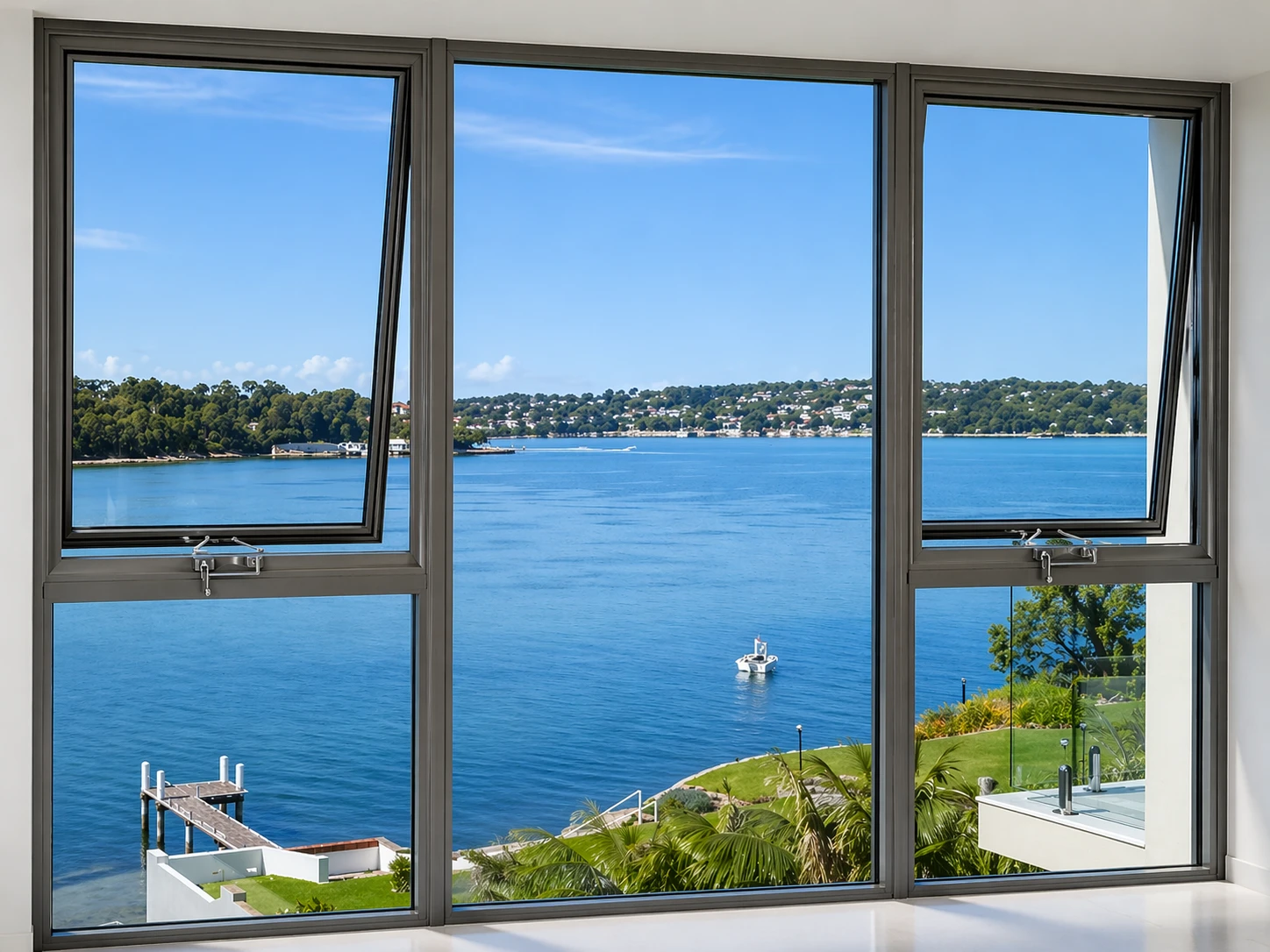
• Awning Windows ($450–$800 supply, $750–$1,400 installed): Operable awning sashes incorporate stainless steel friction stays, chainwinders, perimeter compression seals, and internal flyscreens. They cost roughly 25% to 35% more than an equivalent-sized fixed window.
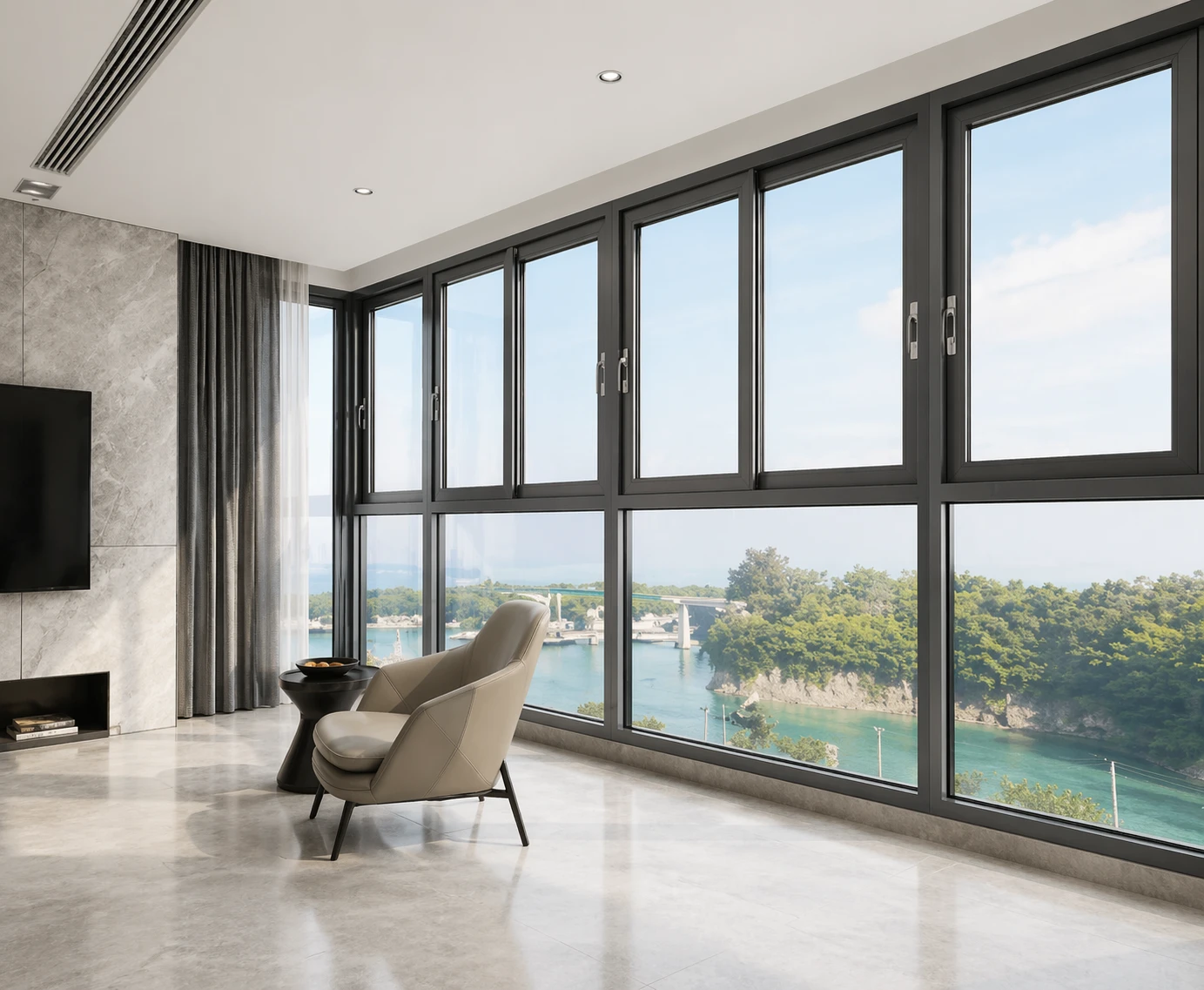
• Sliding Windows ($550–$950 supply, $900–$1,600 installed): Horizontal sliding windows require double-track or triple-track extrusions, interlock stiles, roller wheel carriages, track drainage weep holes, and latching locks, typically running 20% to 30% above fixed windows.
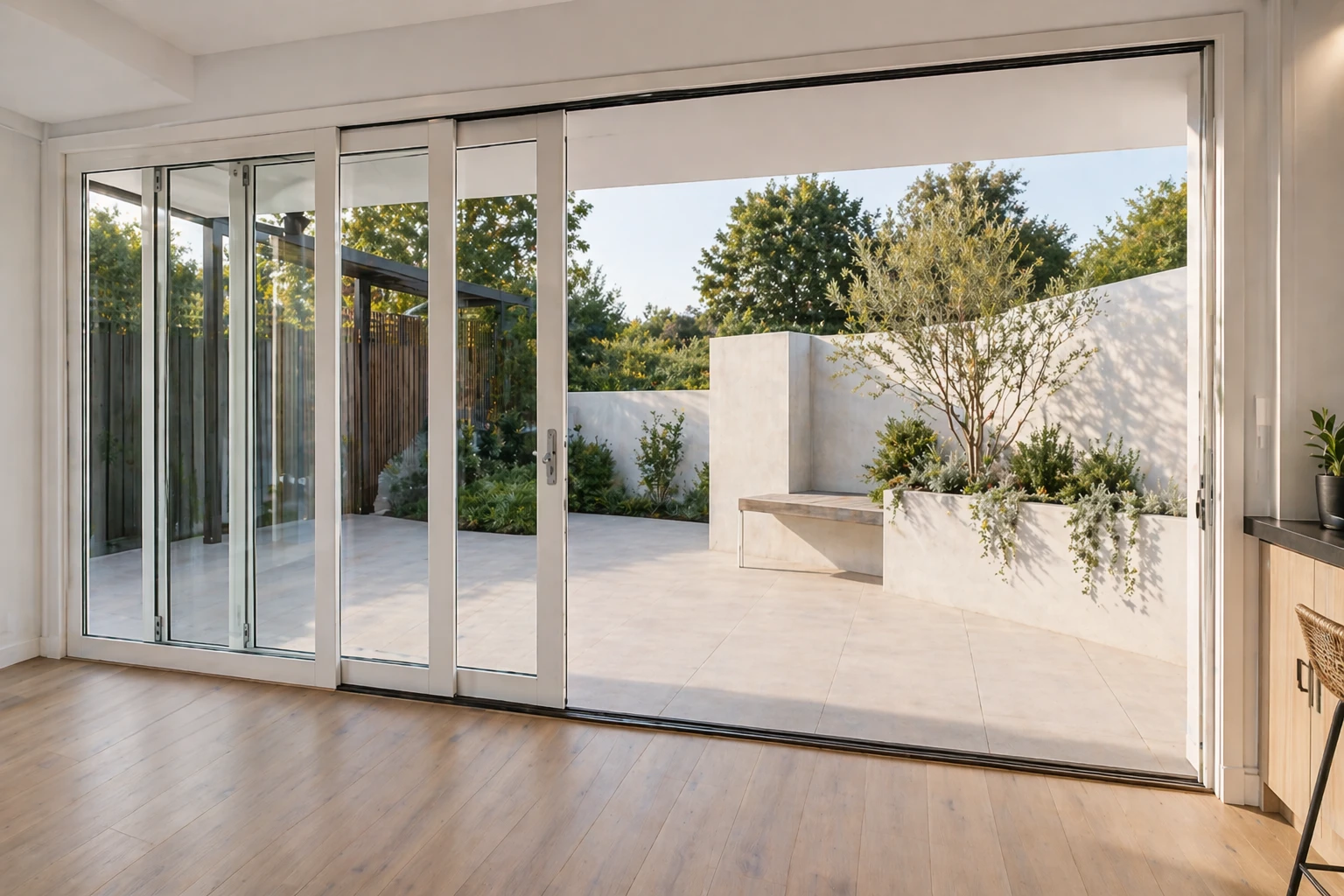
• Large-Format Sliding & Stacker Doors ($2,500 to $6,500+ installed): Multi-panel glazed doors represent significant engineering assemblies. They require heavy-duty architectural tracks, heavy stainless steel tandem rollers to carry panel loads up to 80kg to 150kg, and mandatory Grade A safety glass (toughened or laminated) under AS 1288 Section 5.
For residential architectural designs, pairing double glazed aluminium fixed windows with smaller operable awning or sliding units is one of the most cost-effective strategies to maximize daylight and view while keeping whole-home glazing budgets under control.
Frame material price ladder: aluminium, uPVC, thermally broken, and timber
The framing material carrying the double glazed IGU directly dictates both initial price and long-term maintenance requirements:
Standard Aluminium ($600 to $1,500 installed per window): Standard architectural aluminium (6063-T5 alloy) is the dominant choice in Australian construction. It offers slim sightlines, superior structural rigidity, high fire resistance (ideal for BAL-rated bushfire zones), and durable powder-coated finishes that resist corrosion in coastal environments. While aluminium conducts heat more readily than uPVC or timber, quality non-thermally broken aluminium with double glazing delivers compliant whole-window U-values (Uw 2.5–3.5 W/m²K) that meet NCC 2022 7-star NatHERS requirements across temperate and warm climates at the most accessible price point.
uPVC ($800 to $1,800 installed per window): Unplasticised polyvinyl chloride frames provide excellent native thermal insulation without requiring a thermal break. However, uPVC frames are bulkier, have wider sightlines, and require internal steel reinforcements for larger Australian openings. Premium dark foil colours can also carry a 20% to 30% surcharge.
Thermally Broken Aluminium ($1,100 to $2,500 installed per window): Thermally broken aluminium incorporates a structural polyamide insulating strut between the interior and exterior aluminium extrusions, cutting metal heat conduction. It commands a 15% to 30% premium over standard aluminium, making it the preferred choice for alpine regions (Climate Zone 8), severe southern winter climates (Canberra, Ballarat), or projects targeting sub-2.0 Uw ratings.
Architectural Timber ($1,200 to $3,000+ installed per window): Solid timber offers natural thermal performance and classic heritage aesthetic appeal, but sits at the highest price tier and requires ongoing sanding, painting, or oiling to prevent warping and rot.
Glass make-up and performance add-ons: what the extras cost
A standard double glazed IGU features two panes of clear float glass separated by an air or argon gap (e.g. 5mm + 9Ar + 5mm or 5mm + 12Ar + 5mm). Upgrading glass specifications tailors the window to specific acoustic, thermal, or security needs:
• Argon Gas Cavity Fill (+$50 to $120 per window): Filling the cavity with high-purity argon gas in place of dry air reduces the centre-of-glass U-value by roughly 10% to 15%. This is one of the most cost-effective upgrades on any quote.
• Low-E Coating (+$100 to $300 per opening): Applying a microscopically thin Low-E coating reflects radiant heat. In southern heating climates, passive solar Low-E traps indoor winter warmth; in hot northern or coastal zones, solar-control Low-E rejects intense summer solar radiation (lowering SHGC).
• Toughened Safety Glass (+$80 to $200 per opening): Heat-treated to be up to five times stronger than float glass, toughened glass is legally mandated under AS 1288 for glazed doors, side panels within 300mm of doors, and any window within 500mm of the floor.
• Acoustic Laminated Glass (+$200 to $600 per opening): Using asymmetric glass thicknesses or specialized acoustic polyvinyl butyral (PVB) interlayers (such as 6.38mm or 6.5mm acoustic laminate paired with 5mm toughened) dampens sound transmission, achieving certified ratings up to Rw 35–38 dB for homes near busy roads or train corridors.
Capital city cost variations across Australia
While raw aluminium extrusions and glass units are priced relatively consistently across Australia, trade installation rates differ by state and capital city:
• Sydney & NSW: Supply-and-install pricing typically sits 10% to 20% above the national average ($800 to $1,800 per window). Higher glazier labour rates ($90 to $130/hr), parking constraints, multi-storey access, and strata approval requirements drive installation costs higher.
• Melbourne & Victoria: A highly competitive double glazing market with strong consumer demand driven by cold winters. Standard installed windows average $800 to $1,800, with extensive local manufacturing helping contain lead times.
• Adelaide & South Australia: Competitive trade labour rates ($60 to $100/hr) mean standard double glazed windows frequently install for $600 to $1,500 per opening, with typical whole-house replacements landing between $15,000 and $32,000.
• Brisbane & Queensland: Growing adoption under NCC 2022 standards. Focus is heavily on solar-control Low-E and tinted glass to reduce air conditioning loads, with installed costs averaging $750 to $1,600.
• Perth & Western Australia: Installed windows average $800 to $1,800. Freight allowances may apply for specialized extrusions shipped from eastern manufacturing hubs.
• Canberra & ACT: High demand driven by sub-zero winter overnight temperatures and strict 7-star NatHERS enforcement. Installed pricing averages $800 to $1,800, with many homes opting for high-performance Low-E and thermally broken systems.
Retrofit vs. full replacement vs. secondary glazing
For existing homes with older single-glazed windows, three pathways exist:
Secondary Glazing ($400 to $850 per window): Involves installing a second, independent pane (often acrylic or slim aluminium-framed glass) on the interior reveal of an existing window. While cost-effective and popular in heritage or strata buildings where changing exterior facades is prohibited, it can make cleaning difficult and does not solve draughty perimeter frame leaks.
Retrofit Double Glazing ($550 to $1,100 per window): Keeps the existing window frame in place and replaces the single pane with a new, slimline IGU. While cheaper upfront than full replacement, it only works if existing frame rebates are deep enough (typically 18mm+), and leaves old, uninsulated, air-leaking aluminium frames in the wall.
Full Turnkey Window Replacement ($800 to $2,000+ per window): Removes the old frame completely down to the structural stud or brickwork, installing a brand new AS 2047 certified double glazed aluminium window system with modern weatherseals, sub-sill drainage, and structural timber reveals. While requiring a higher initial investment ($15,000 to $35,000+ for 10 to 15 windows), it provides a complete 25+ year thermal envelope upgrade with full manufacturer warranties.
The quote checklist: what to provide for an accurate price
To receive an accurate, binding quote rather than a rough estimate that balloons later with variation fees, provide window fabricators with these essential details:
1. Opening Dimensions: Measure structural stud opening or reveal-to-reveal width and height in millimetres (e.g. 1200w x 1800h mm).
2. Window Configuration: Specify exact style per opening (e.g. fixed picture window, top-hinged awning, 2-panel sliding, or 3-panel stacker door).
3. Frame Finish: Note preferred powder coat colour (e.g. standard Charcoal, Monument, Warm White, or custom colour).
4. Glazing Specification: Clear double glazing, Low-E solar control, toughened safety glass, or acoustic laminated glass.
5. Installation Detail: State building construction type (brick veneer, double brick, cladding) and required timber reveal depth (typically 100mm for brick veneer, 135mm for cavity brick).
6. Site Access: Specify ground floor or second-storey openings, and whether clear access or scaffolding is required.
7. Compliance Factors: Note any required BAL (Bushfire Attack Level) ratings under AS 3959 or acoustic requirements under local council overlay plans.
Our Products
Fixed Windows
View system
Awning Windows
View system
Sliding Windows
View system
Sliding Doors
View system
Stacker Doors
View system