Cost & Budget
Is double glazing worth it in Australia?
By Sheng Xu · 4 October 2026
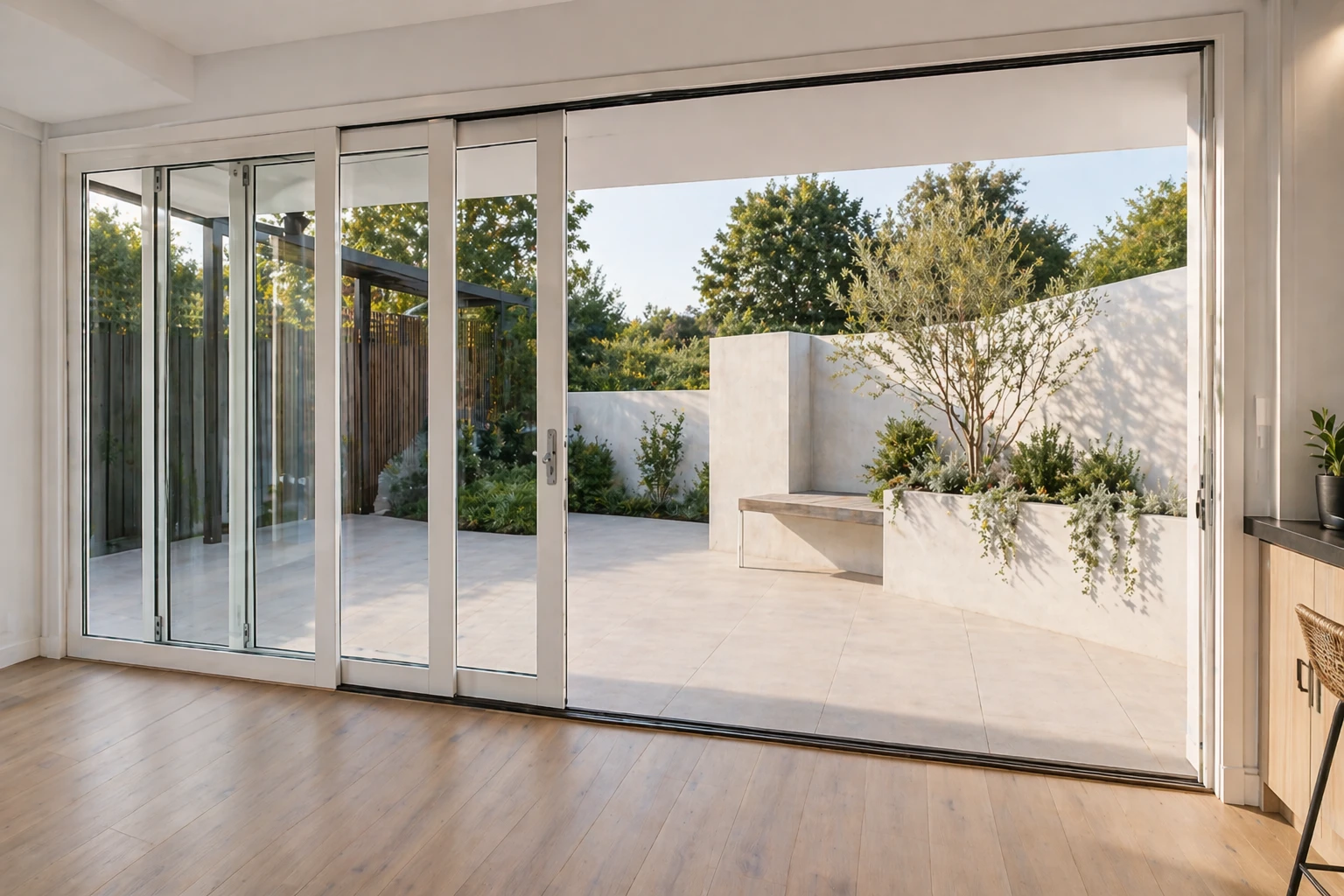
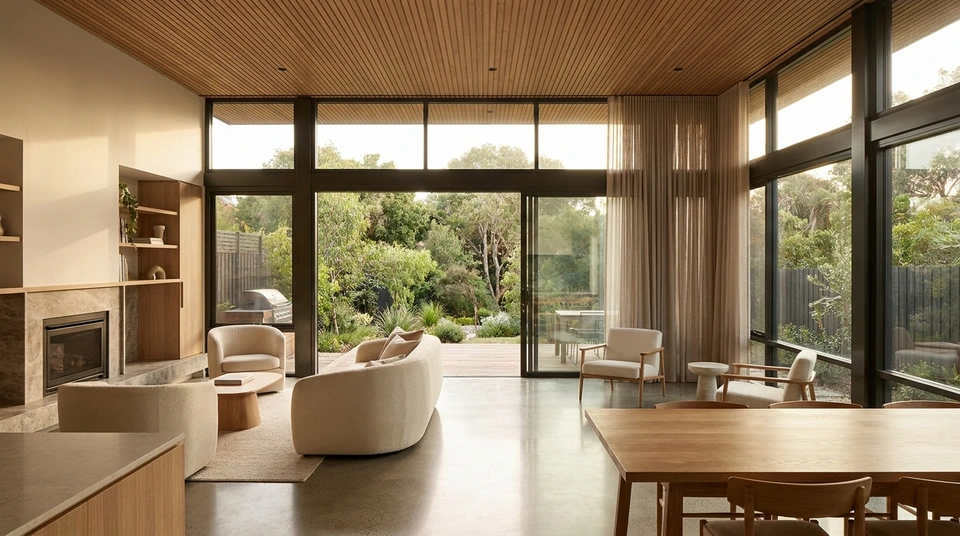
AI-generated illustrative image. Not a product test, certification record or project evidence.
For most Australian homeowners, yes—double glazing is worth the investment, particularly in new builds facing NCC 2022 7-star NatHERS mandates and in temperate or cold climates (Melbourne, Canberra, Hobart, Sydney, Adelaide). However, evaluating double glazing strictly as an electricity-bill investment is misleading: power bill savings alone ($200 to $600 annually) yield a payback period of 10 to 20+ years. The primary, immediate value lies in unmatched daily thermal comfort, complete elimination of winter window condensation and mould, acoustic quiet, and increased property resale value.
As energy costs climb and Australian building standards enforce stricter thermal baselines under the National Construction Code (NCC 2022), 'is double glazing worth it' has become a central consideration in almost every building and renovation discussion. Sales brochures routinely promise halved energy bills and transformed indoor living, while critics point to upfront price tags of $15,000 to $35,000+ for whole-home window replacements. The truth is more nuanced: for the vast majority of Australian homes, double glazing is a highly worthwhile investment, but not for the reason most marketing claims suggest.
If evaluated purely as a financial instrument—where annual heating and cooling bill savings must offset the upfront capital expenditure—double glazing typically requires a payback period of 10 to 20+ years. Homeowners who report being thrilled with their decision rarely talk about the electricity bill alone; they value the immediate, tangible comfort dividends: the elimination of freezing perimeter drafts in winter, waking up without water pooling on sills and black mould forming in bedrooms, and the acoustic calm that shuts out suburban traffic noise.
The core benefits of double glazing (the pros)
When properly specified and installed, double glazing provides five significant advantages over standard single glazed windows:
1. Day-to-Day Thermal Comfort: Windows represent the weakest thermal link in the building envelope, accounting for up to 40% of winter heat loss in typical homes. A single sheet of clear glass conducts indoor heat straight outside, creating a cold surface that cools adjacent air and causes uncomfortable downward convection drafts. Double glazing cuts conductive heat transfer by up to 50%, maintaining indoor glass temperatures significantly closer to room temperature and allowing homeowners to use living spaces right up to the window.
2. Elimination of Condensation and Mould: In winter, humid indoor air strikes freezing single glass, beading into condensation that rots timber reveals, stains drywall, and breeds toxic black mould. By isolating the inner pane with an argon gas barrier, double glazing keeps the room-side glass above the dew point under normal domestic humidity, protecting structural joinery and indoor air quality.
3. Acoustic Insulation and Quiet: Acoustic comfort is one of the highest-rated benefits by Australian renovators. Standard double glazing delivers certified sound reduction from Rw 25–28 dB for single glass up to Rw 31–32 dB, muffling barking dogs, lawnmowers, and neighbourhood chatter. When specified with asymmetric glass (e.g. 6mm outer + 4mm inner) or acoustic laminated glass, ratings reach Rw 35–38 dB, substantially dampening heavy arterial road and rail noise.
4. Enhanced Security and Safety: Standard 3mm or 4mm float glass breaks easily under light impact. Double glazed insulated glass units (IGUs) incorporate two bonded panes—often utilizing toughened safety glass or shatter-resistant laminated glass—that create a formidable physical deterrent against accidental impact and forced burglary entry.
5. Property Value and Market Appeal: As prospective homebuyers become increasingly aware of NatHERS star ratings and thermal efficiency, double glazed joinery represents a premium architectural selling feature that differentiates a property and supports higher resale valuations.
The honest disadvantages and trade-offs (the cons)
An objective assessment requires acknowledging the genuine drawbacks and limitations of double glazing in Australian conditions:
1. High Upfront Capital Investment: Upgrading an existing home with turnkey double glazed windows costs anywhere from $15,000 to $35,000+ for a standard 10-to-15 window package. In a renovation, this represents a substantial capital expenditure that must be budgeted against competing upgrades like kitchens or bathrooms.
2. Eventual Seal Failure: While aluminium window frames can easily last 40 to 50 years, the hermetic dual seals on an Insulated Glass Unit have an expected operating lifespan of 20 to 30 years. Over decades of thermal expansion, UV exposure, and moisture cycling, seal failure will eventually allow ambient moisture between panes, requiring the IGU to be deglazed and replaced.
3. Increased Sash Weight and Structural Load: Two panes of glass double the glazing mass to 20kg–35kg per square metre. Large operable sashes place significantly greater mechanical strain on rollers, hinges, and friction stays, demanding heavier architectural aluminium profiles and premium hardware.
4. The Summer Heat Trap Risk: Clear double glazing reduces heat conduction, but it does not block direct radiant sunlight on its own. Clear double glazing allows up to 77% of solar radiant heat (SHGC 0.70–0.77) to pass inside. Once solar heat enters, the insulating unit prevents it from escaping, creating a 'greenhouse effect' on hot summer afternoons unless paired with Low-E coatings, solar tints, or external shading.
5. The Home Insulation Pre-Requisite: In an uninsulated older home with zero ceiling insulation and unsealed external doors, spending substantial capital on whole-house double glazing before installing ceiling insulation is inefficient building economics. According to Australian government energy guidance (energy.gov.au), ceiling insulation stops substantial heat loss at a fraction of the cost of window replacements, making ceiling insulation the essential first priority before upgrading glazing.
Where double glazing pays off fastest: a climate zone breakdown
Because Australia spans eight distinct climatic zones, the return on investment varies dramatically by geographic region:
• Cool and Alpine Heating Zones (Zones 6, 7 & 8 — Melbourne, ACT/Canberra, Hobart, Ballarat, Blue Mountains): Highest ROI. With substantial winter heating demands and freezing overnight lows, double glazing delivers major, immediate reductions in gas or electricity heating loads, completely eliminates window condensation, and achieves payback within 8 to 14 years.
• Temperate Coastal Zones (Zones 4 & 5 — Sydney, Adelaide, Perth): High ROI. While winter heating loads are moderate, summer heat waves and daily temperature swings mean double glazing provides year-round climate stabilization, reducing both winter heating and summer air-conditioning requirements.
• Tropical Far North (Zones 1 & 2 — Darwin, Cairns, Townsville): Lower ROI. In climates where winter heating is non-existent and cooling is constant, conductive heat loss is not an issue. Upgrading to basic clear double glazing provides marginal benefit; budgets are far more effectively deployed toward external shading, ceiling insulation, and specialized solar-control Low-E coatings to reject radiant solar heat.
The fixed window advantage: maximizing your glazing ROI
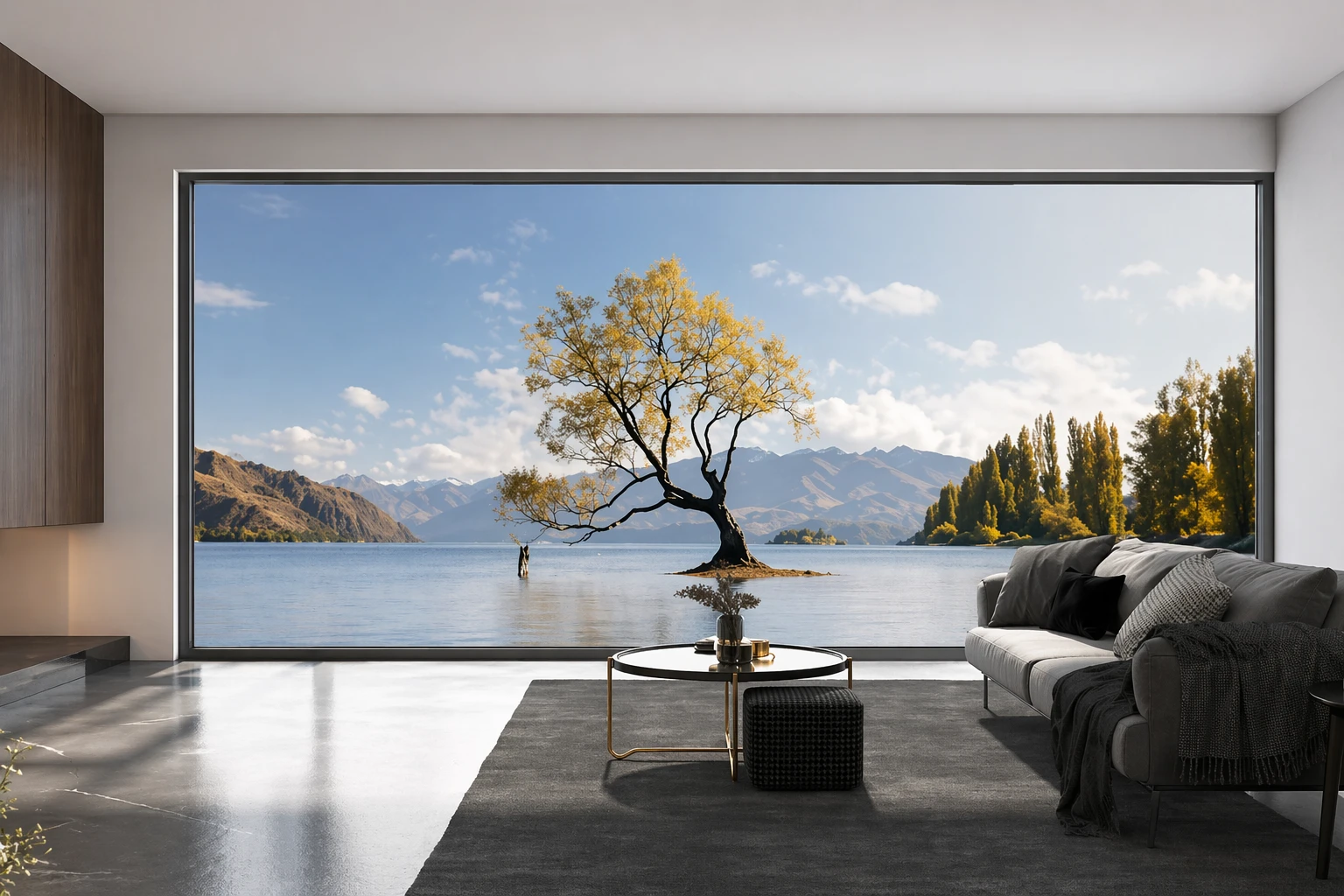
For homeowners looking to maximize thermal and acoustic returns while controlling expenditure, fixed aluminium windows (picture windows) deliver the highest return per dollar spent of any fenestration style.
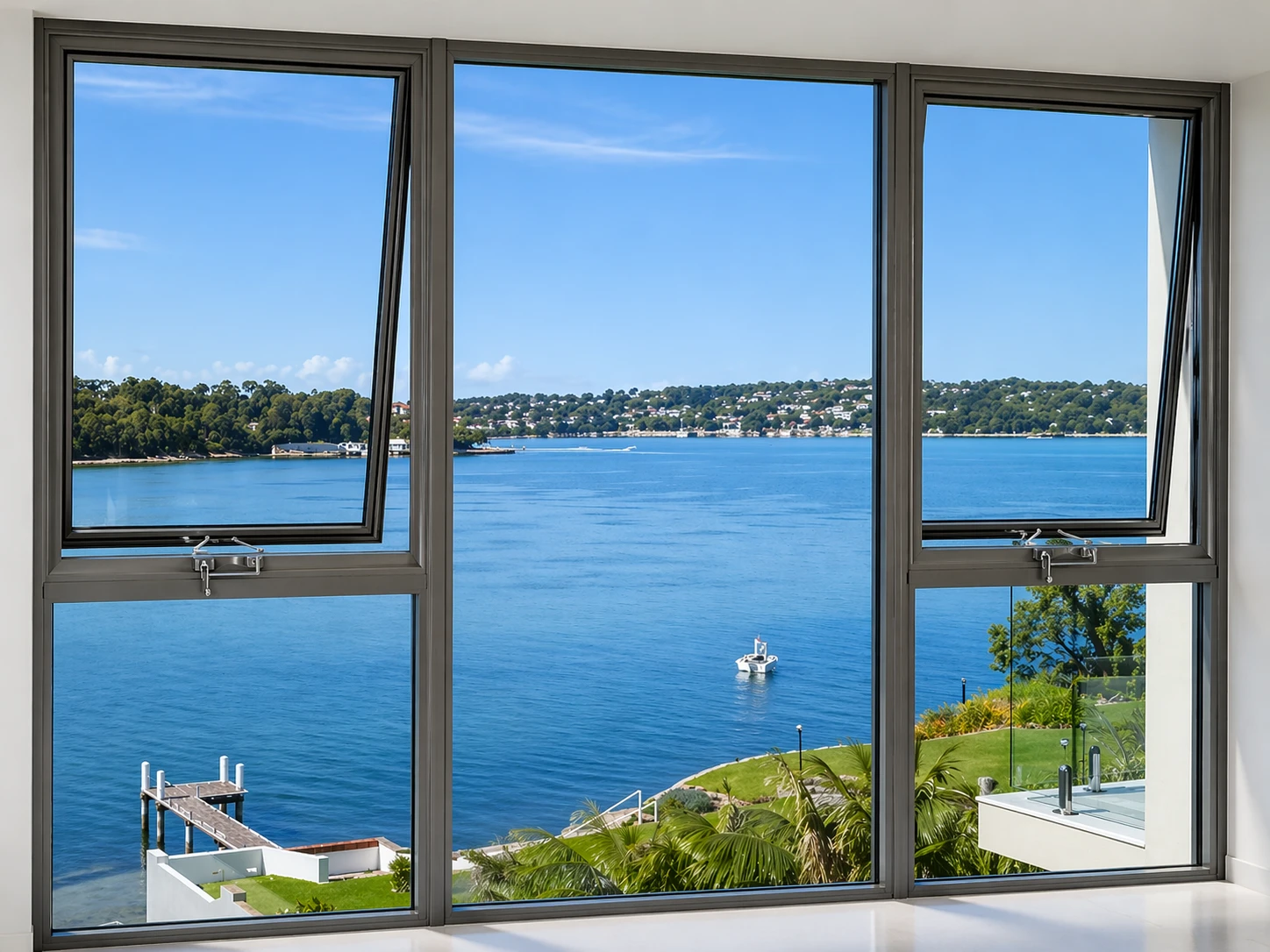
Operable windows (such as awnings or sliding sashes) require additional aluminium sash profiles, stainless steel friction stays, chainwinders, tandem rollers, and weatherpile seals, which add $200 to $500 per opening. By contrast, a fixed window contains no moving parts. Fabrication costs are lower ($350–$650 supply vs $550–$950 for sliding windows), glass represents 80% to 85% of the aperture, and airtightness is absolute.
On large living-room view windows, stairwells, and highlight elevations where ventilation is unnecessary, double glazed aluminium fixed windows provide expansive daylight and superior thermal resistance at the lowest cost per square metre. Pairing large fixed windows with smaller operable awning or sliding units delivers optimal architectural balance and maximum thermal efficiency across the home.
New builds vs. renovations: the decision fork
The financial calculation differs completely depending on the project type:
In a New Build: Specifying double glazing is almost always an undisputed decision. The cost difference between single and double glazing during construction is an incremental line item ($5,000 to $12,000 across a whole house), and double glazing is virtually essential to achieve the mandatory 7-star NatHERS rating required under NCC 2022. Skipping double glazing in a new build devalues the home from day one.
In an Existing Home Renovation: Turnkey replacement requires removing old frames, adjusting structural reveals, and repainting ($15,000 to $35,000+). If budget constraints prevent doing the entire house at once, adopt a strategic phased approach: upgrade the coldest, most exposed elevations first (south-facing bedrooms and large living areas), where thermal and acoustic improvements will be felt immediately.
Frequently asked questions
Does double glazing increase Australian house value?
Yes. Real estate professionals across Melbourne, Sydney, Canberra, and Adelaide report that double glazing is an attractive selling feature that enhances buyer perception, particularly among energy-conscious purchasers seeking lower running costs and modern architectural finishes.
Can double glazed windows make my house too hot in summer?
Only if poorly specified. If standard clear double glazing is installed on unshaded western or northern windows, solar heat will enter and become trapped. Specifying solar-control Low-E glass, tinted glass, or proper external shading ensures summer heat is reflected before entering the home.
How much can I expect to save on energy bills with double glazing?
In temperate and cool climate zones, upgrading from single glazing to quality double glazing typically reduces household heating and cooling energy use by 10% to 25%, translating to annual savings of roughly $200 to $600 depending on home size, orientation, and heating system efficiency.