Glass & Glazing
What is the difference between single and double glazed windows?
By Sheng Xu · 4 October 2026
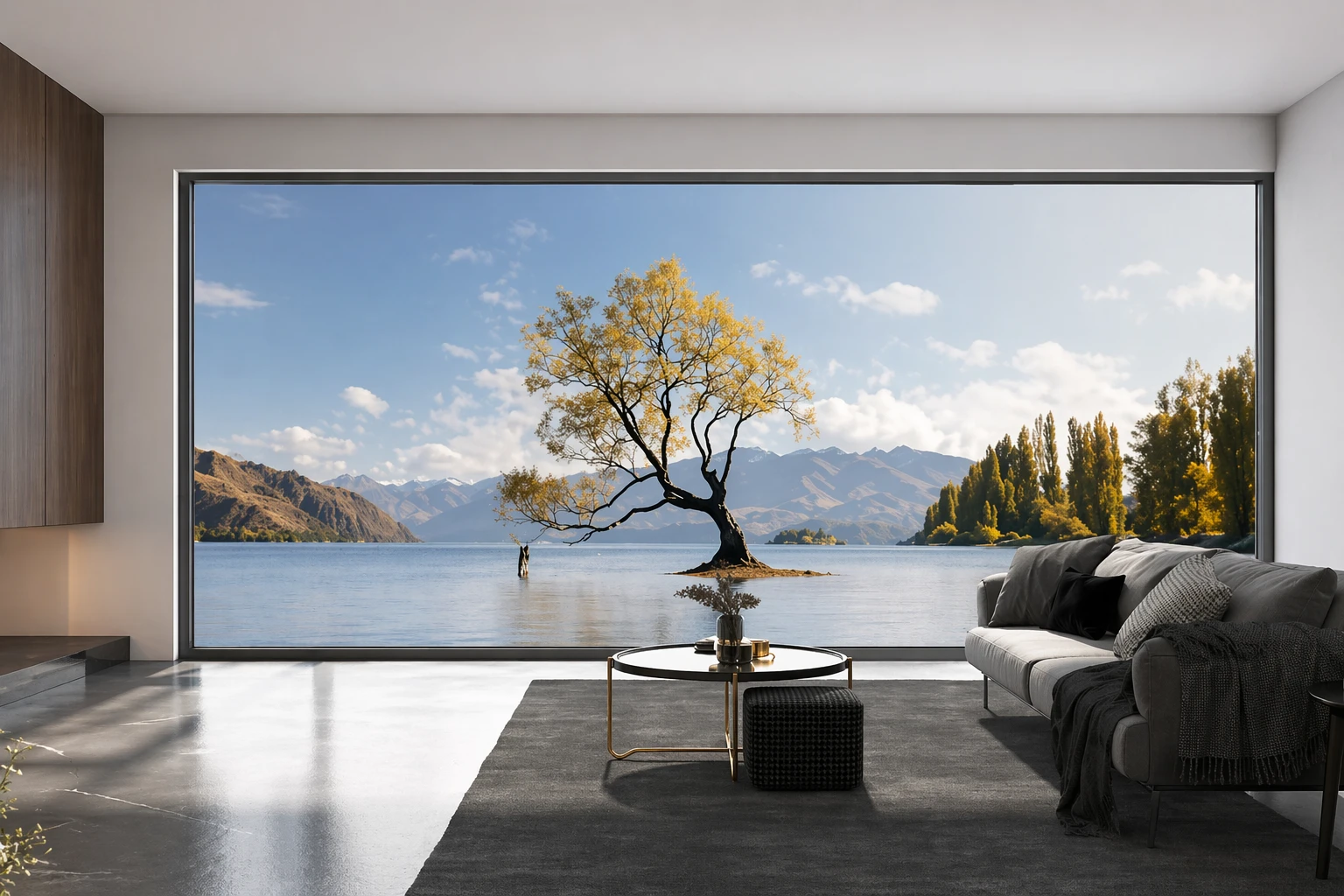
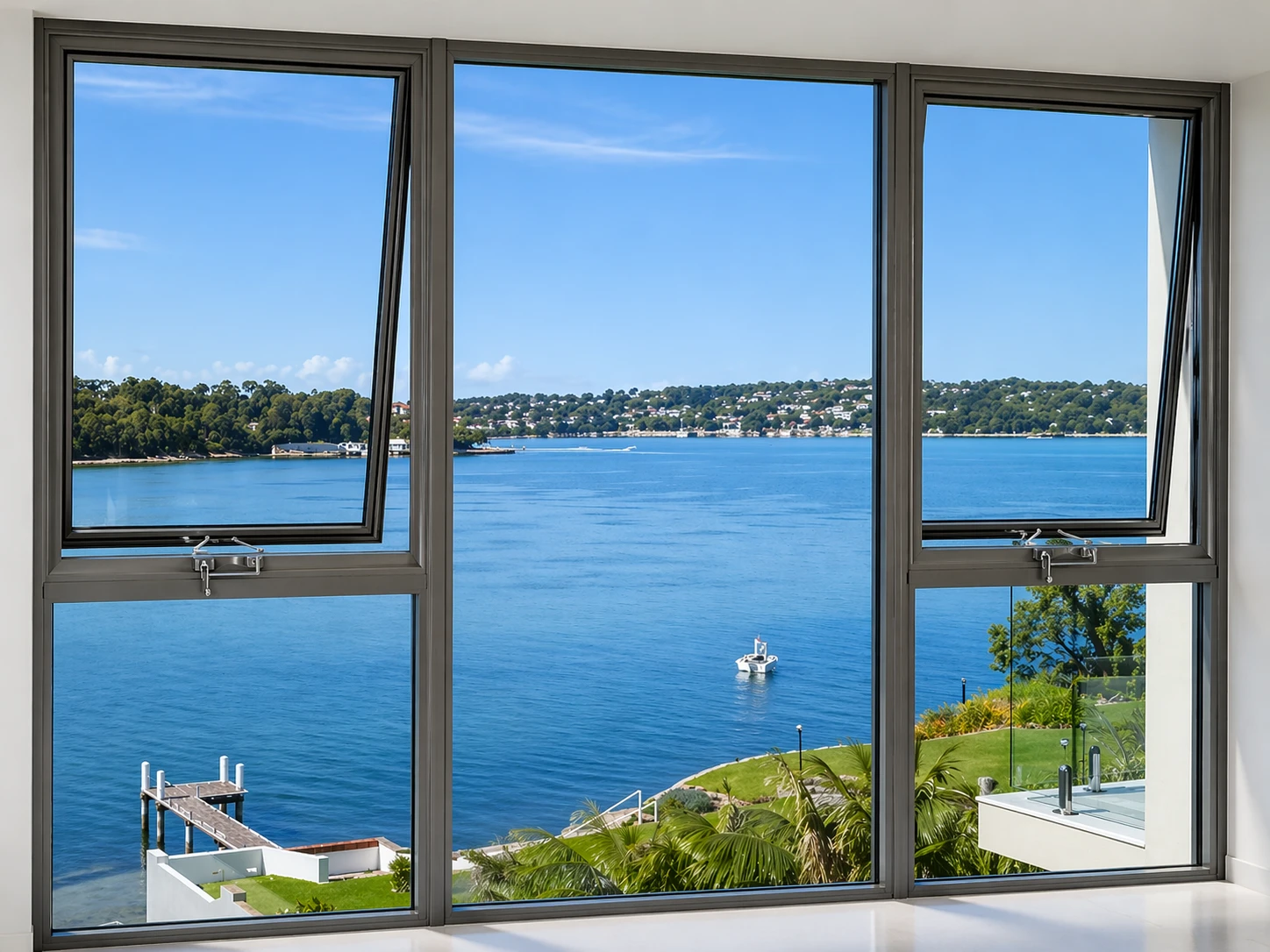
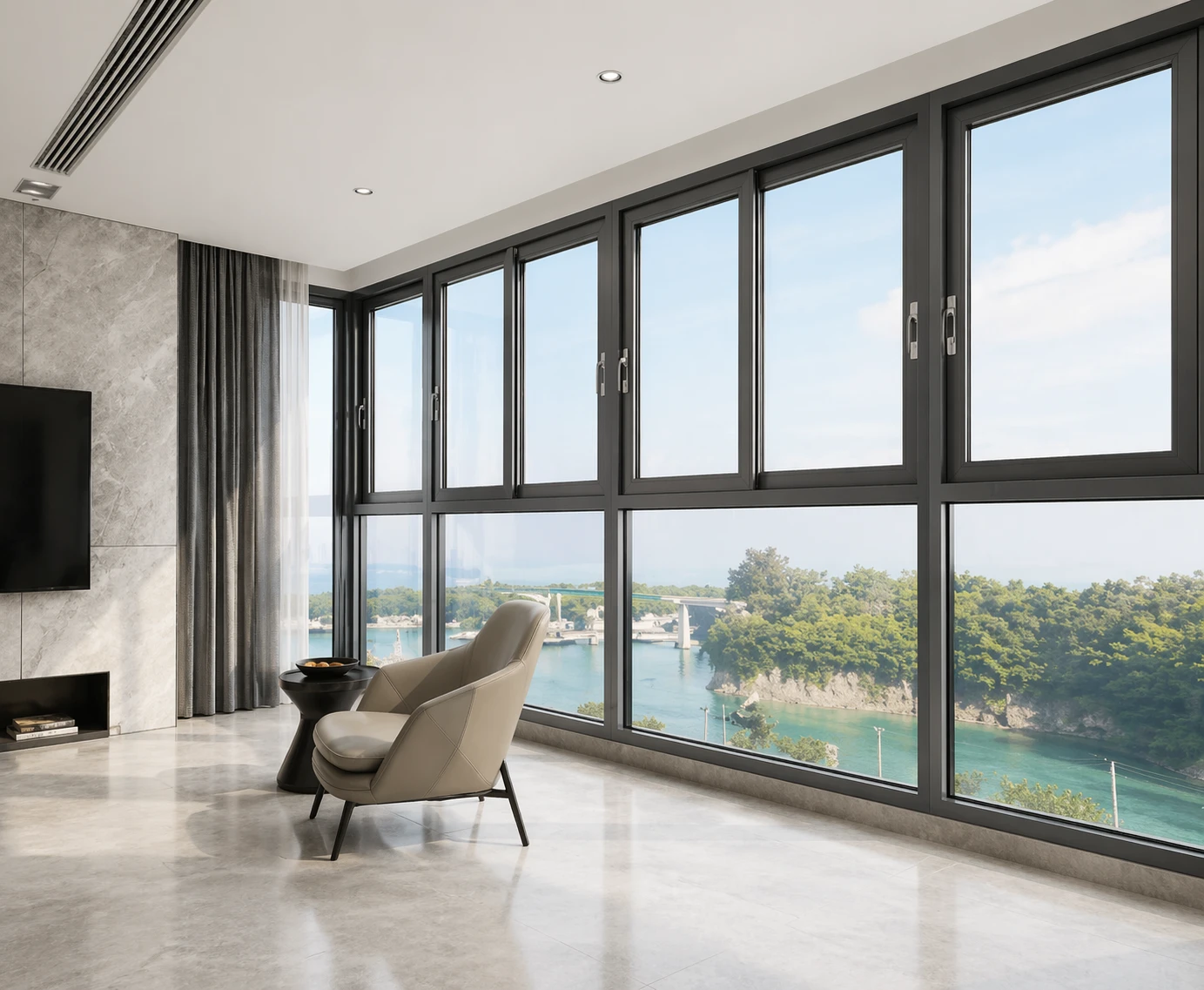
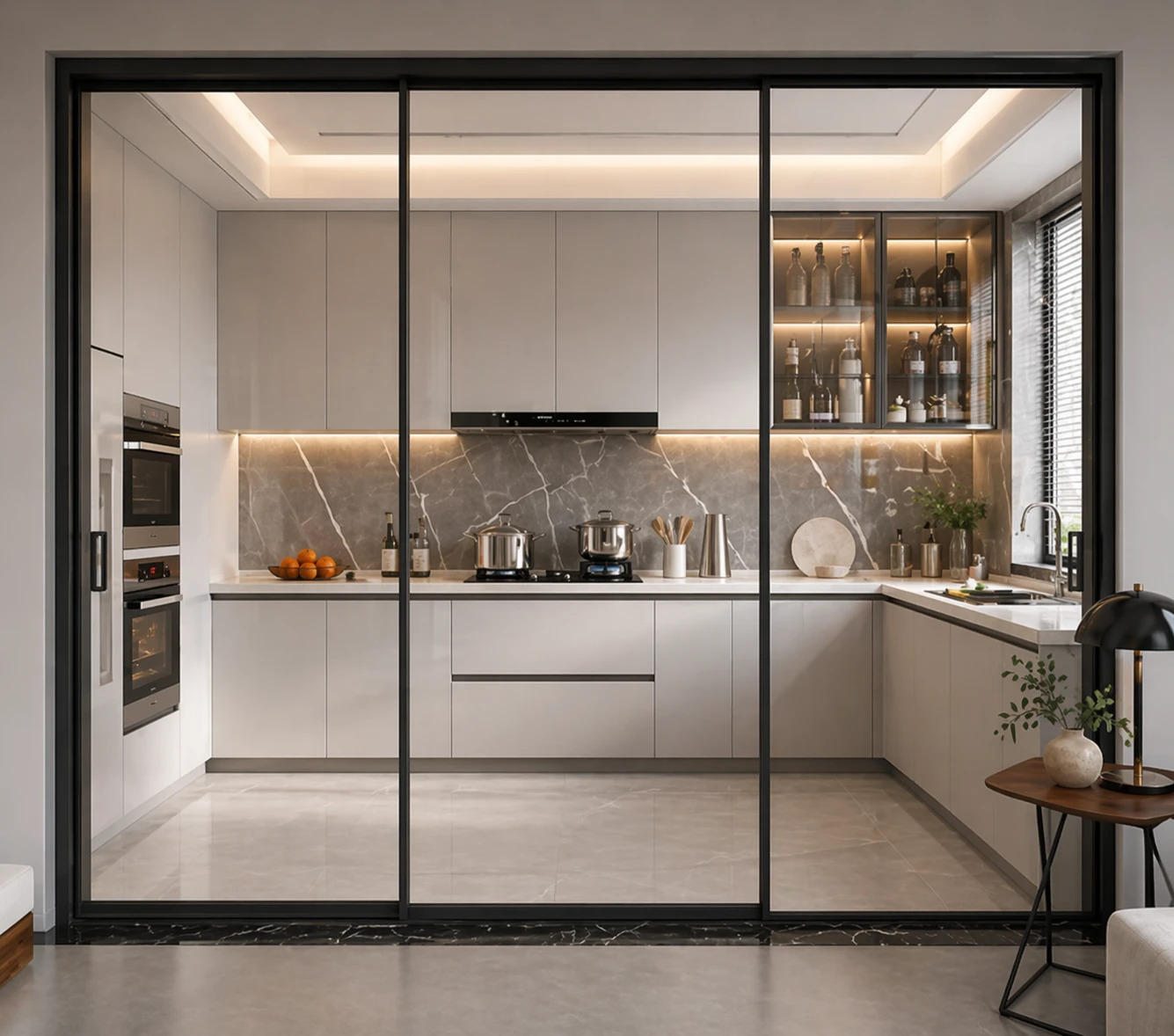
AI-generated illustrative image. Not a product test, certification record or project evidence.
The primary difference between single and double glazed windows lies in their construction and thermal performance. Single glazed windows consist of a single sheet of glass (3mm to 4mm) that allows heat, noise, and condensation to pass through easily. Double glazed windows incorporate an Insulated Glass Unit (IGU) featuring two panes of glass separated by a hermetically sealed argon gas cavity. In Australian homes, upgrading to double glazing cuts conductive window heat loss by 50% to 60% (reducing certified whole-window Uw from ~6.5 down to ~2.8–3.5 W/m²K), raises the interior glass temperature to eliminate winter condensation, and dampens outside noise by 3 to 10+ decibels.
For nearly a century, single glazed windows were the default standard across Australian residential architecture. Cheap to manufacture and simple to install, single 3mm or 4mm float glass served millions of suburban homes. However, as Australian building standards enforce stricter energy efficiency baselines under the National Construction Code (NCC 2022) and homeowners grapple with soaring power bills and climate extremes, the comparison between single glazing and double glazing has taken center stage. Upgrading from single to double glazing represents one of the most substantial performance leaps possible in a home's building envelope.
The structural difference is straightforward: single glazing uses a single pane of glass set directly into a frame, acting as an uninsulated thermal bridge. Double glazing utilizes an Insulated Glass Unit (IGU)—two panes of glass separated by an engineered perimeter spacer and a hermetically sealed cavity filled with dry air or inert argon gas. This gas cavity acts as an insulating barrier, dramatically slowing conductive heat transfer, elevating interior glass surface temperatures, and buffering airborne noise.
Thermal performance: the certified Uw gap
Thermal performance in Australian windows is measured by the certified whole-window U-value (Uw) under Australian Fenestration Rating Council (AFRC) protocols. The U-value measures the rate of non-solar heat loss or gain through the combined glass and frame; a lower number indicates superior insulation.
The performance gap between the two systems is stark:
• Standard Single Glazed Aluminium: Typical certified whole-window Uw sits between 6.0 and 6.9 W/m²K. In winter, heat conducts rapidly through the single pane into the freezing outdoors; in summer, heat conducts straight into air-conditioned rooms.
• Standard Double Glazed Aluminium (Non-Thermal Break): Typical certified whole-window Uw drops to between 2.8 and 3.5 W/m²K. By introducing a 9mm to 12mm argon gas cavity between two 5mm panes, conductive heat transfer across the glazed aperture is reduced by over 50%.
• Thermally Broken Double Glazed Aluminium: Incorporating a structural polyamide insulating break into the aluminium frame reduces whole-window Uw further to between 1.8 and 2.4 W/m²K, providing maximum thermal resistance for alpine and severe southern winter climates.
Some budget retrofitters market single-glazed Low-E glass as a cheap alternative to double glazing. However, building science data from government resources (YourHome) confirms that single Low-E still exhibits a high whole-window Uw of 4.0 to 5.0 W/m²K. Because there is no gas cavity, the interior glass face remains cold to the touch and fails to solve winter condensation.
The winter condensation contrast: dew point physics
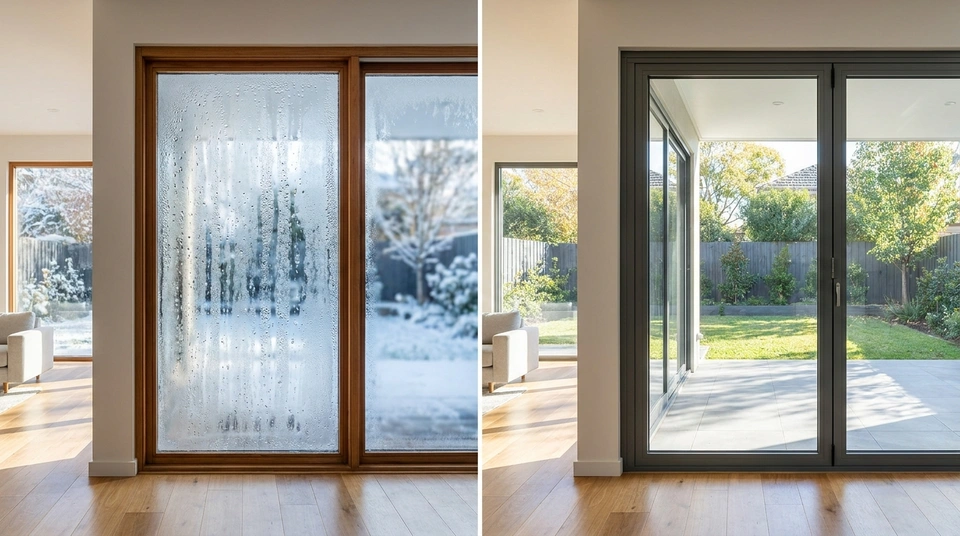
Winter morning condensation is the most visible everyday failure of single glazed windows in Australian homes. Condensation occurs when warm, humid indoor air (generated by breathing, cooking, and showering) comes into contact with a surface cooled to or below the dew point temperature.
On a single glazed window in cold weather, the 3mm or 4mm glass rapidly chills down to outdoor ambient temperature. When 20°C indoor air at 50% relative humidity contacts 6°C single glass, water vapour immediately condenses into heavy liquid droplets. This moisture runs down the glass, pooling on timber reveals, peeling paint, staining plasterboard, and creating an ideal breeding ground for toxic black mould.
In a double glazed window, the gas-filled cavity acts as a thermal barrier between the exterior and interior panes. While the outer pane cools to outdoor temperatures, the inner pane remains buffered, typically staying within 3°C to 5°C of indoor room temperature. Because the glass remains well above the dew point under normal domestic humidity levels, winter room-side condensation is virtually eliminated.
Acoustic insulation: halving perceived outside noise
Sound is acoustic energy transmitted as airborne pressure waves. When sound strikes a single sheet of glass, the lightweight pane vibrates readily, radiating noise directly into the interior. Standard residential single glazing delivers an acoustic rating of only Rw 25 to 28 dB, offering minimal protection against street traffic, barking dogs, or loud neighbours.
Double glazing substantially improves acoustic quiet through multiple damping mechanisms:
• Standard Symmetrical Double Glazing (e.g. 5mm + 12mm cavity + 5mm): Delivers certified Rw 31 to 32 dB. The trapped gas cavity dampens high-frequency sounds like human voices and light suburban traffic.
• Asymmetrical Double Glazing (e.g. 6mm outer + 12mm cavity + 4mm inner): Achieves Rw 33 to 34 dB. By using two panes of differing thicknesses, the coincidence frequency resonance dip (where equal panes vibrate together around 2500–3000 Hz) is broken, improving sound dampening across mid frequencies.
• Acoustic Laminated Double Glazing: Pairing an acoustic polyvinyl butyral (PVB) interlayer (such as 6.38mm or 6.5mm acoustic laminate) with a toughened glass pane pushes certified acoustic performance to Rw 35 to 38 dB. In acoustic physics, a 10 dB reduction cuts perceived loudness in half, transforming bedrooms facing arterial roads into quiet, restorative spaces.
The fixed window benchmark: maximum glass, maximum difference
The difference between single and double glazing is nowhere more apparent than in fixed aluminium windows (picture windows). In operable windows such as sliding or awning units, moving sash extrusions and perimeter tracks take up 25% to 35% of the frame opening. By contrast, fixed windows contain no operable sashes, friction hinges, or weatherpiles.
Because glass represents 80% to 85% of a fixed window's total area, upgrading from single to double glazing transforms the room's entire thermal envelope. On a large single-glazed fixed picture window, the expansive cold glass creates severe convective downdrafts that make living rooms feel drafty even when windows are closed. Upgrading to a double glazed aluminium fixed window halts this convective draft, keeping indoor glass warm and radiant.
Fixed aluminium windows also deliver the closest certified whole-window Uw to the IGU's center-of-glass Ug. For expansive living areas and stairwell elevations, specifying double glazed fixed windows provides maximum panoramic daylight and superior airtightness at the lowest cost per square metre of aperture.
Australian building regulations (NCC 2022) and cost differences
The regulatory shift across Australia has made the single vs double glazing decision stark for builders and renovators. Under the National Construction Code (NCC 2022), all new homes in mainland Australia must meet a mandatory 7-star NatHERS energy efficiency rating. Energy assessors model whole-of-home heating and cooling loads, and across climate zones 4, 5, 6, 7, and 8 (encompassing Sydney, Melbourne, Adelaide, Canberra, Hobart, and regional Victoria/NSW), homes with single-glazed aluminium windows almost universally fail compliance.
In terms of upfront cost, single glazed replacement windows cost roughly $400 to $700 per window fully installed ($200 to $400 supply-only). Equivalent double glazed aluminium windows cost roughly $700 to $1,600 fully installed ($350 to $800 supply-only). While double glazing costs roughly 50% to 80% more upfront, it cuts window heat loss in half, eliminates condensation-related maintenance, and adds measurable market value to the property.
Where does single glazing still make sense?
While double glazing is the undisputed choice for primary living areas and bedrooms, single glazing still has practical, cost-effective roles in specific applications:
• Internal glass partitions, borrowed-light internal transoms, and decorative room dividers where exterior weather insulation is irrelevant.
• Detached garden sheds, uninsulated workshops, and freestanding garages where heating and cooling are never operated.
• Tight-budget utility windows in unconditioned laundry areas or external powder rooms where thermal transfer does not impact main living comfort.
Frequently asked questions
Is double glazing twice as good as single glazing?
Thermodynamically, yes. A standard single-glazed aluminium window has a whole-window U-value of approximately 6.5 W/m²K, whereas standard double glazing in an aluminium frame achieves roughly 2.8 to 3.2 W/m²K—reducing conductive heat loss by over 50%. In terms of perceived acoustic comfort, high-performance double glazing reduces outside noise energy substantially, making rooms noticeably quieter.
Can I replace just the glass from single to double in existing frames?
Only if the existing frame rebate is deep enough (typically 18mm to 28mm) to accept an Insulated Glass Unit. Most older Australian aluminium frames were extruded specifically for 3mm or 4mm single glass and cannot take an IGU. Furthermore, retrofitting glass into old frames retains drafty perimeter air seals; full frame replacement delivers a fully certified, airtight AS 2047 system.
Does double glazing stop heat coming in during summer?
Double glazing slows conducted heat transfer from hot outdoor air. However, to block direct solar radiation, double glazing must be specified with a Low-E coating, tinted glass, or proper external architectural shading. Clear double glazing alone allows radiant solar heat to pass through, which is why matching your glass specification to building orientation is essential.