
Window Comparisons & Selection
Slimline vs Minimal Frame vs Steel-Look Aluminium Windows: What the Labels Actually Mean
By Sheng Xu · 2 October 2026
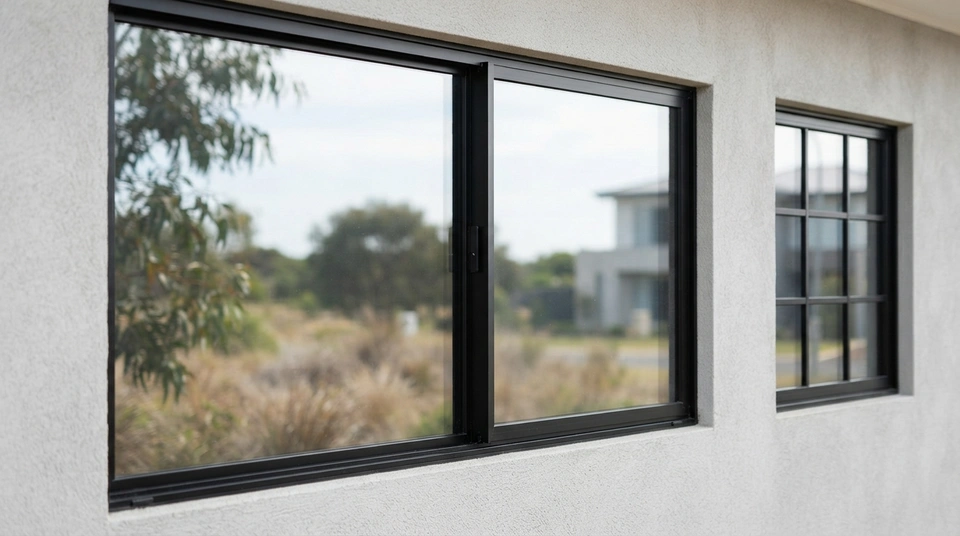
AI-generated illustrative image. Not a product test, certification record or project evidence.
Slimline, minimal frame and steel-look are trade labels, not defined grades. Slimline means a narrower visible frame, minimal frame is the far end where most aluminium is slim or concealed, and steel-look is a style copying the thin bars and profiles of steel windows. None guarantees a sightline width, thermal break or test result, so ask which dimension is quoted and request section drawings and AS 2047 evidence.
Slimline, minimal frame and steel-look describe three different things. Slimline is a frame-width category. Minimal frame is the far end of that range, where most of the aluminium is slim or hidden. Steel-look is a style that copies the thin bars and profile shapes of traditional steel windows. A window can be steel-look without being especially slim, and a very slim window need not look anything like steel.
None of the three is a measured grade. They are trade terms, and the suppliers and guides reviewed for this article each use them a little differently, with none pointing to a defined measurement in an Australian standard. That makes a label a prompt for questions rather than a specification. This guide explains what each term usually implies, what it does not guarantee, and what to ask for before you compare quotes.
What do slimline, minimal frame and steel-look usually mean?
The labels make more sense once you separate width from style. Slimline and minimal frame sit on a width spectrum. Steel-look sits on a separate style axis, which is why the three terms overlap in supplier brochures.
Slimline
Slimline normally means a narrower visible frame than a conventional residential system. A supplier guide aimed at the Australian market, published by China-based manufacturer MEICHEN Windows & Doors, puts a conventional residential sliding door sightline, where two panels meet, at 90 to 120mm, and slim frame systems at 20 to 40mm. Those figures are the manufacturer's own and refer to sliding doors, so treat them as an illustration of scale rather than a threshold.
An Indian supplier guide adds that slimline systems still show aluminium edges around the opening and have interlocks that remain visible (ALCOI). The interlock is the vertical junction where two sliding panels overlap.
Minimal frame
Minimal frame is usually used for the far end of the range. The same ALCOI guide describes minimal frame systems as having extremely slim interlocks and concealing most of the aluminium, which gives a near seamless glass look.
Atlas, an aluminium window design guide, makes a useful distinction when comparing minimal frame windows. The face you see in elevation is different from the depth of the frame into the opening, and a slim meeting stile is only one part of the comparison.
Steel-look
Steel-look is about appearance. UK steel window maker Crittall says the phrase is commonly used for products that copy the slim, multi-pane look of steel windows, and that it does not confirm the manufacturer, material or specification. Such products may be aluminium, uPVC or steel.
In Australia, at least one supplier lists slimline and steel-look products together as one series, with sliding, hinged, bi-fold and pivot doors and slimline awning and casement windows under a single heading (Alufront). That grouping shows how loosely the two terms can overlap in the local trade.
How is steel-look aluminium different from real steel windows?
Steel-look aluminium copies the lines of steel but is a different material, so it differs in profile thickness, jointing and cost. Australian window supplier Wideline says steel-look aluminium has slightly thicker profiles than true steel, is lighter and easier to install, and costs less. It also says steel has greater tensile strength, which is what allows ultra-slim steel profiles.
The UK site Door and Window Experts adds that aluminium versions are not welded, so their joints look different from steel. It says the sightlines are a little thicker and that aluminium does not come in a fire-rated version the way steel can. Its explanation for the lower price is a cheaper raw material, lower fabrication cost, wider availability and cheaper colouring and powder coating.
Steel has its own trade-offs. Wideline notes that modern coatings protect steel, but that maintenance may be required, especially in coastal environments. Choosing between steel and aluminium is a separate decision from decoding a label. Our aluminium sliding windows selection guide covers how to compare frame options more broadly.
Why do sightline numbers on spec sheets mislead?
A headline figure such as 20mm usually describes only one part of the window. UK glazing supplier IQ Glass explains that figures like 15mm, 20mm and 21mm usually refer to the centre interlock, and that published figures can refer to different details. The visible frame at the head, jambs and threshold can differ significantly, depending on whether the outer frame is expressed or concealed in the surrounding finishes.
MEICHEN gives the same warning. It advises confirming whether a quoted sightline refers to the interlock, the vertical stile or the outer frame, because these are different measurements and marketing can blur them.
Two systems with the same interlock can therefore leave very different amounts of visible aluminium once installed. Frame depth adds another variable, because Atlas separates the visible face from how far the section extends into the opening. Our guide to window sightlines explains where frame, interlock and mullion widths are measured and why spec sheets can mislead.
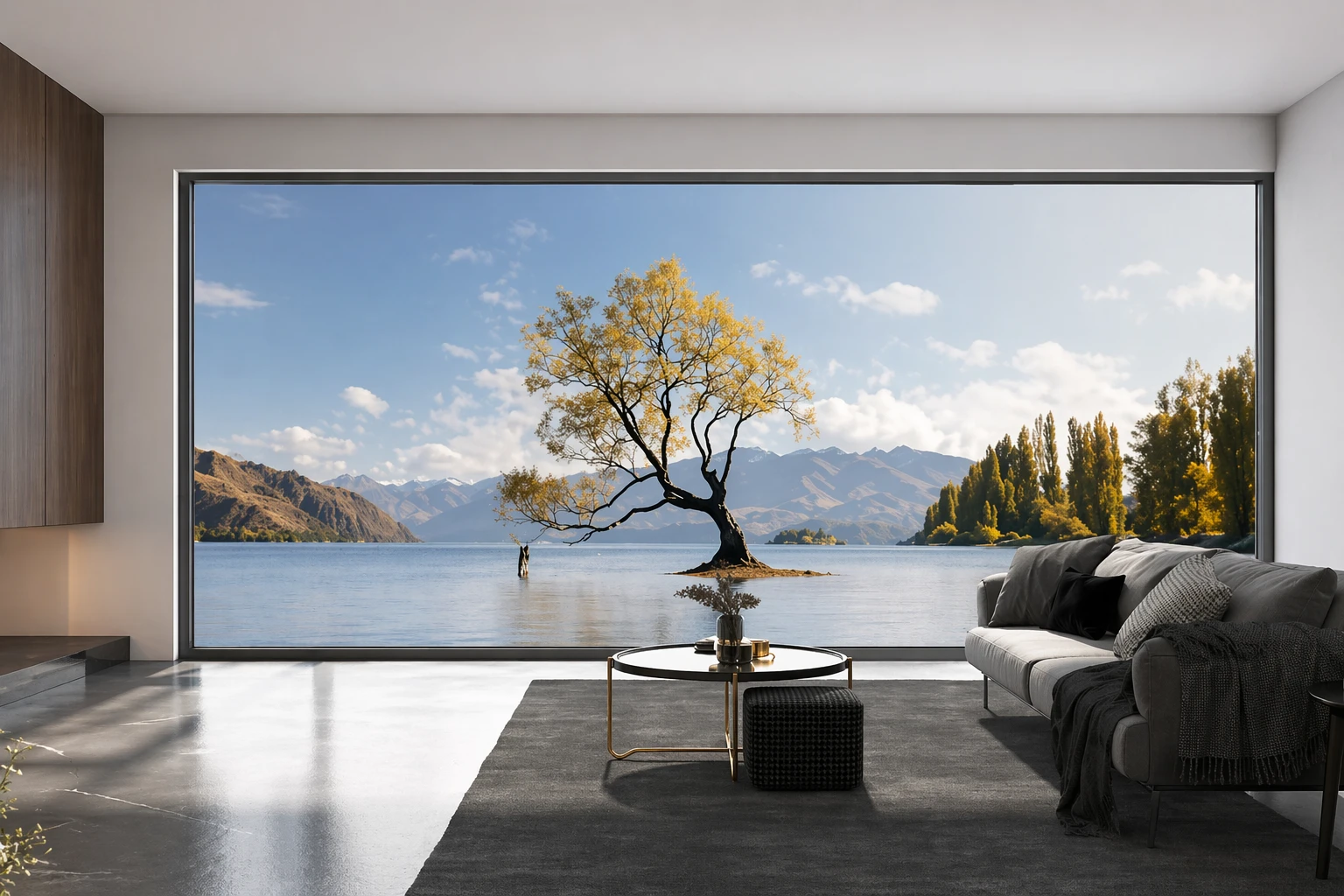
Fixed windows have no interlock to quote, so the visible frame around the glass is the number that matters. Our fixed aluminium windows page covers double glazed fixed systems, and the same rule applies: ask which width is being quoted.
What do these labels not tell you about performance?
None of the three labels says anything about thermal break, glazing or compliance. Those belong to the specific tested system, not to the look.
Thermal performance is the clearest example. YourHome, an Australian government home design guide, says windows and doors can be thermal bridges, particularly aluminium frames that are not thermally broken. It lists thermal breaks, or less conductive frame materials such as timber or uPVC, as ways to reduce that.
One Australian supplier's minimal frame range includes a hybrid system that pairs insulated glass with non-insulated monolithic aluminium frames. The supplier describes that system as suited to warm climates or projects with reduced thermal requirements (Buildex). A slim frame can therefore be thermally broken or not, and the label will not tell you which. Our guides to thermal breaks and to slimline window energy efficiency explain what to look for.
Glazing and spans are the next gap. MEICHEN notes that not all ultra slim frames accept heavy double glazed units, so a very slim sightline may limit the glass you can specify. It recommends asking for current test reports to AS 2047, which it describes as covering water, air, structural and operation performance, and confirming glass compliance with AS 1288. Our explainer on AS 2047 and our guide to slimline window strength and wind ratings cover what those tests mean.
Colour is a separate matter again. Heat, fading and powder coat durability are covered in our black slimline windows guide rather than here.
How should you ask a supplier to define the label?
Ask about four things: which dimension is quoted, which material is used, which glass fits, and what test evidence applies to your exact size.
Dimension: ask which part of the window the sightline figure describes. IQ Glass recommends requesting dimensioned section drawings for the meeting stile, head, jamb and threshold, and Atlas asks for drawings that identify the outer frame, meeting stile, head and threshold separately. For fixed windows, ask for the outer frame width.
Material and jointing: confirm whether the frame is aluminium or steel, whether it is thermally broken, and how the corners are joined. If a quote says steel-look, ask which features are being copied, such as the bar pattern, the profile shape or the sightline, because the phrase alone does not specify any of them.
Glass: ask for the maximum glass thickness and sash size the slim profile accepts, and whether the quoted configuration is double glazed.
Evidence: ask for the AS 2047 test report that covers your configuration and size, rather than a report for a similar product. Our buyer's checklist for slimline windows turns these points into a full list of questions to ask before you accept a quote.
Frequently Asked Questions
Is steel-look the same as slimline?
No. Steel-look describes a style that copies the thin bars and profiles of steel windows, while slimline describes a narrower frame. A steel-look window may be slim, but the label does not guarantee a specific width, and suppliers often group the two together.
Is minimal frame better than slimline?
Not universally. ALCOI says minimal frame systems maximise glass area and suit large openings and heavy glass panels, while slimline systems suit homes that want a clean design with better cost control. The better choice depends on opening size, glazing needs and budget, so ask for performance evidence for either.
Are steel-look aluminium windows real steel?
No. They are aluminium windows designed to look like steel. Wideline describes them as aluminium windows that replicate the appearance of steel, with slightly thicker profiles than true steel. Crittall notes that the phrase steel-look does not confirm the material or manufacturer.
Which sightline number should I ask for?
Ask for the width at every visible junction, not only the centre interlock. That means the outer frame, meeting stile, head and threshold. For fixed windows, the outer frame width matters most. Request drawings so that the figures from each quote are measured in the same way.
Using the labels wisely
Treat slimline, minimal frame and steel-look as descriptions of appearance, not as guarantees of width, thermal performance or strength. Decide the look you want first, then ask each supplier for the measurements, materials, glass limits and AS 2047 evidence behind it. Our comparison of slimline and standard aluminium frames shows what the width difference means for glass area, and our fixed aluminium windows page is a good starting point if the openings you are planning are fixed glazing.
Our Products
Fixed Windows
View system
Awning Windows
View system
Sliding Windows
View system
Sliding Doors
View system
Stacker Doors
View system