
Energy & Thermal Performance
Which window style is most energy efficient? Awning, sliding, fixed and louvre compared on air leakage
By Sheng Xu · 27 October 2026
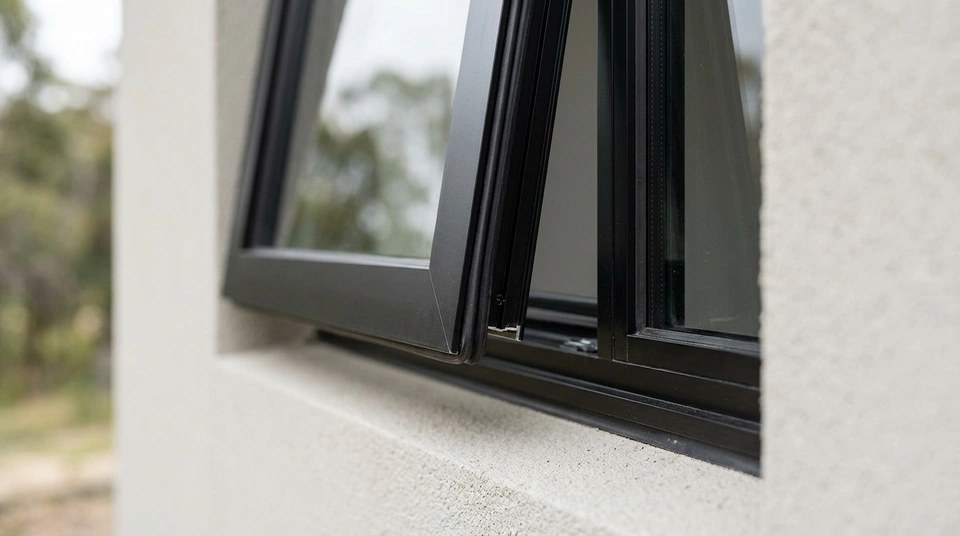
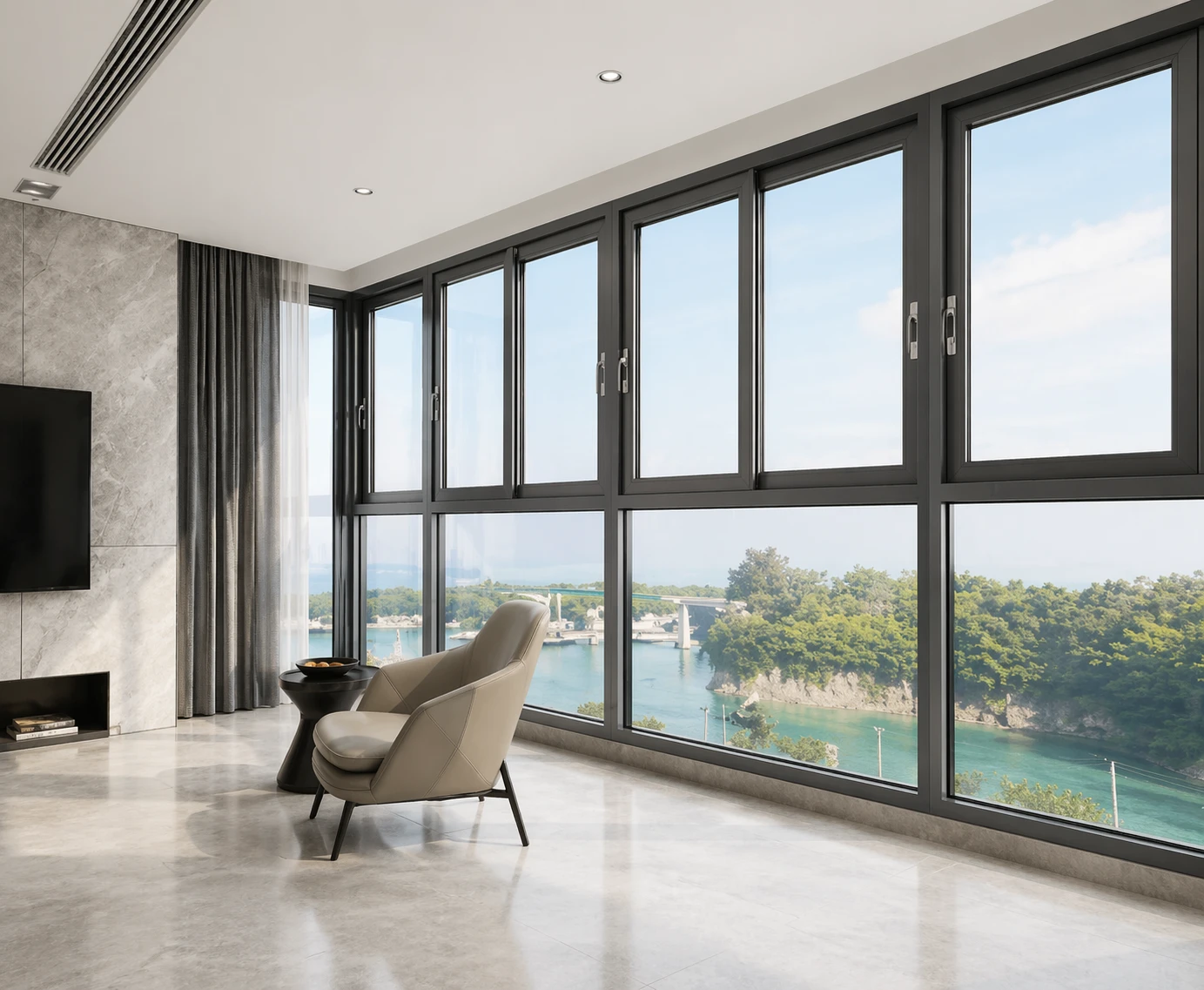
AI-generated illustrative image. Not a product test, certification record or project evidence.
The most energy efficient window type is a fixed window, because it has no opening joint for air to pass through. Among windows that open, compression sealed sashes such as awnings and casements leak less than sliding windows, and louvres are the hardest type to seal well. Style sets the odds rather than the result, because the tested product and the size you order decide the actual number.
A window is an opening in the wall with a moving lid. When the lid is shut, air can only get through the joints: between sash and frame, between two sashes where they meet, and between frame and wall. A fixed window has none of the first two. An awning has one joint, and the hardware pulls it shut. A sliding window must keep a clearance so the sash can travel. That geometry, more than the glass, explains the leakage figure.
Key takeaways. Opening style changes air leakage as much as glass. Fixed windows have no opening, awning and casement sashes close onto a compression seal, and sliding sashes rely on brush or wool-pile seals. AS 2047 reports air infiltration in two bands, 1.0 and 5.0 L/s per square metre at 75 Pa, and the figure belongs to a tested specimen rather than to a style. Every SMIRO series is tested to AS 2047; ask for the test report for your window size.
Why the seal follows the opening
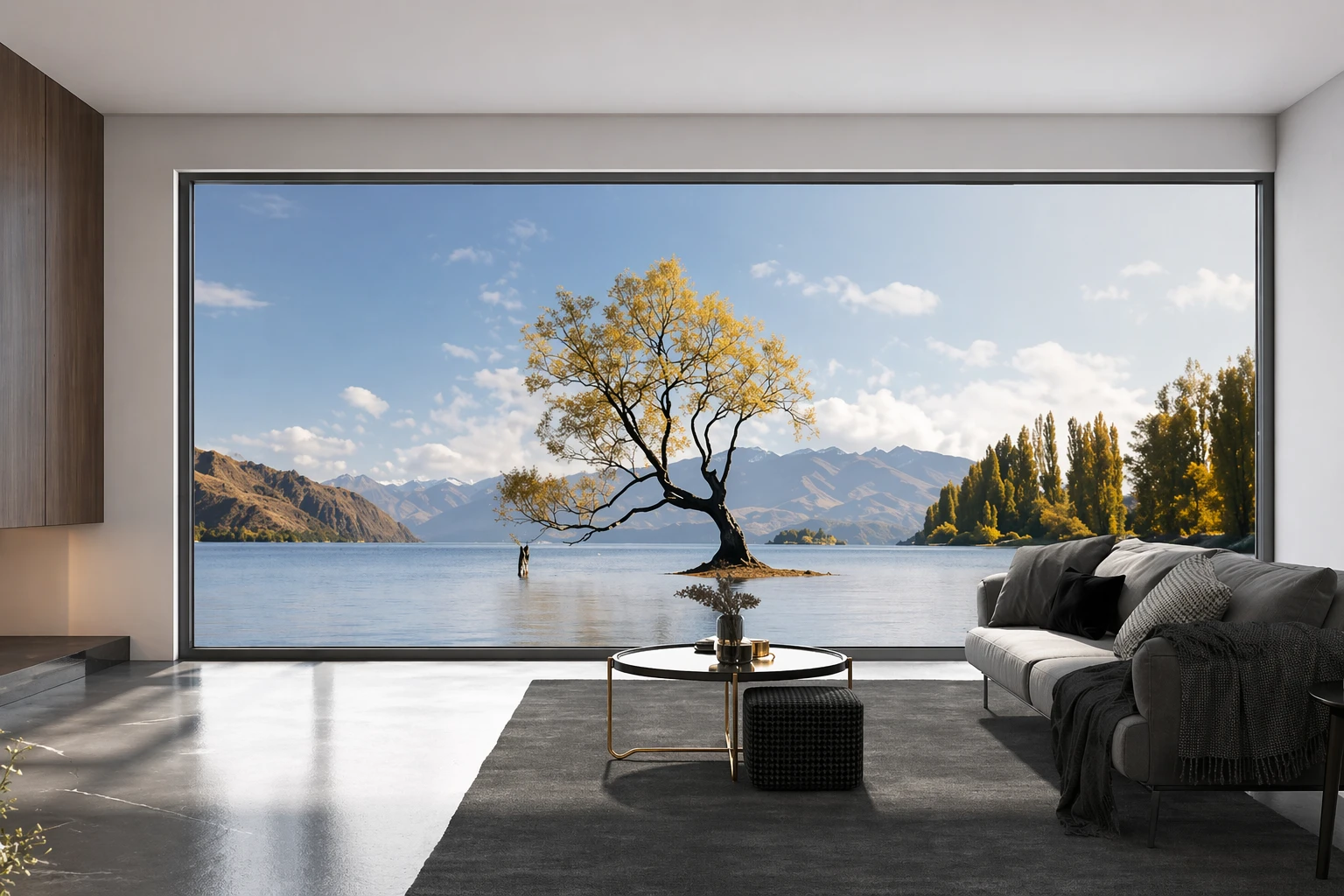
A fixed window is glazed straight into a frame that does not move, so its leakage paths are limited to the glazing beads, the corners and the perimeter. That is why it is the most airtight common window, and the NSW Planning Portal's BASIX guidance classifies fixed windows as low air infiltration. Published data agrees. In Capral's thermally broken awning system, the fixed light is rated at 0.12 litres per second per square metre and the awning sash in the same frame family is rated at 0.46. Same extrusions, same gaskets, same laboratory.
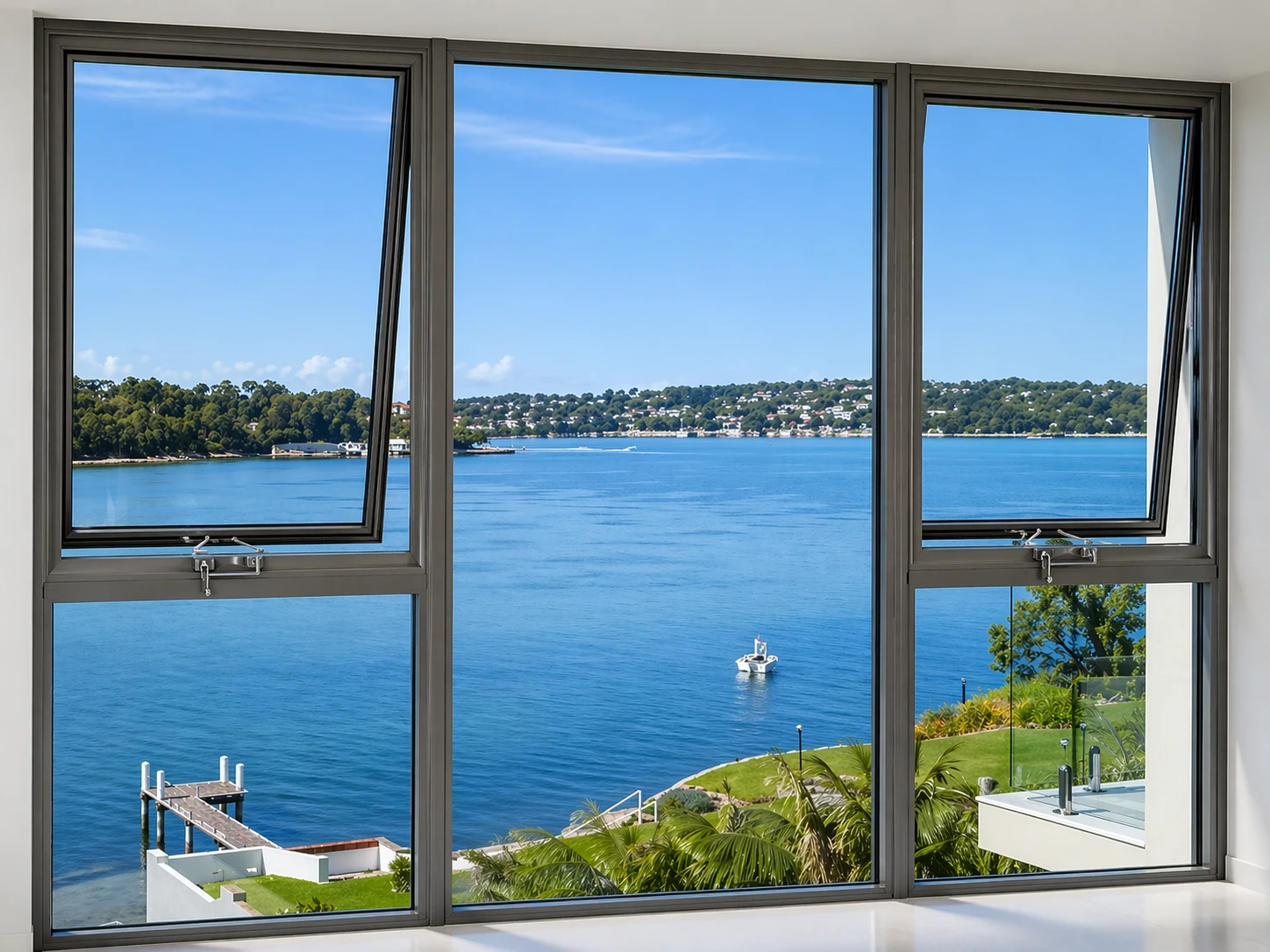
The compression family comes next. Awnings are hinged at the top, casements at the side and tilt and turn windows use a double action mechanism. All three behave the same way: the sash closes against a continuous gasket and the hardware compresses it. AGWA's WERS guidance says hinged windows such as awnings and casements generally have lower air leakage rates than sliding windows, either horizontal or double hung, because a compressive seal and latch make the weatherstripping work more effectively.
Sliding windows cannot do this. The sash has to travel along the frame, so no part of the seal can be clamped shut. It runs past brush or wool pile wipers in the head and sill tracks, and the two sashes interlock where they meet. YourHome notes that sliding seals lose their shape and wear out from constant friction. A HomeOne trade contributor made the same comparison: awnings use a rubber or vinyl perimeter seal, while sliders rely on wool pile.
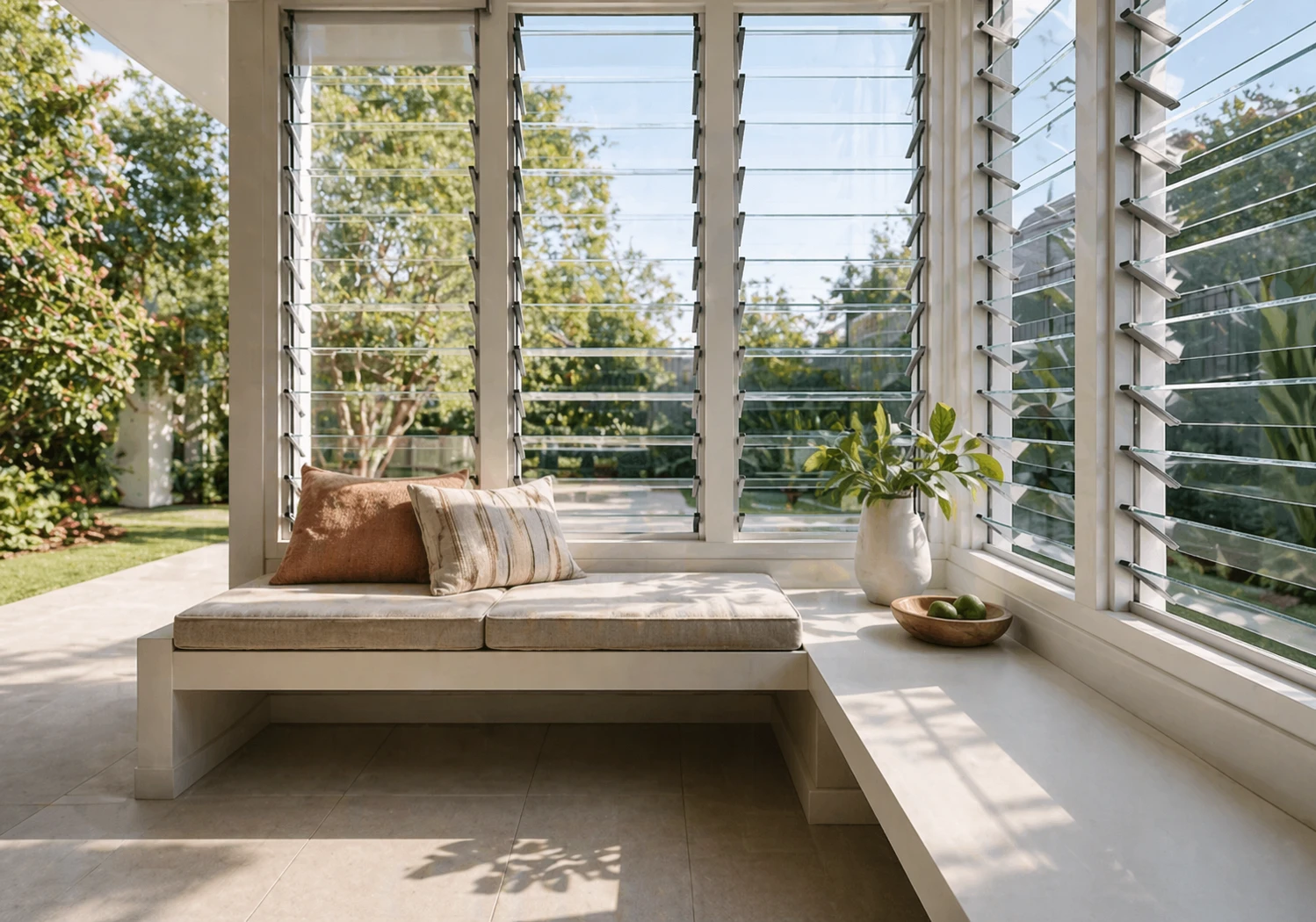
Louvres sit at the difficult end. Each blade is a moving joint in the glazing line, so a louvre has more of them than any other type, and the blade seals are the only barrier against a sliding window draught. Older louvres earned their reputation for leaking. Modern louvres with EPDM seals and a living hinge that pulls each blade against the channel are a different product, and some test well inside the Low band. Treat louvre as a style that has to prove itself on a report rather than one that can be ranked from its name.
How the AS 2047 air infiltration test measures a window
The test is AS 4420.4, one of the AS 2047 suite that AGWA lists. A specimen is built at a nominated size in a pressure chamber. The laboratory seals the window and measures the rig's leakage, unseals it and measures the combined leakage at 75 pascals, positive and negative. The difference is the window's own leakage in litres per second per square metre, the figure WERS prints on a label.
AS 2047 uses two bands for housing. The Low level allows up to 1.0 litre per second per square metre at plus and minus 75 pascals. The High level allows up to 5.0 at positive pressure only. A window passing at High is compliant, but compliant is not tight. YourHome warns that the 5.0 limit allows too much leakage for good energy efficiency, particularly in cool climates and high wind areas. A Low rating is still a band, not a measurement, so read the WERS figure rather than the word.
Why two windows with the same name can test differently
The figure belongs to a tested specimen. The answer to which window style is most energy efficient shifts with the product, not just the type. A test report names the product, frame dimensions, glazing make up, hardware, seals and specimen size, because all of them affect the result. AS 2047 clause 2.4 sets out how smaller or larger versions of a tested product may be verified, which only matters because size changes the answer.
Capral's published data is a useful reality check. Its Urban 280 sliding window is listed at 0.13 litres per second per square metre. Its Urban 282 awning window is listed at 0.01 to 0.08, which is tighter. But its double glazed thermally broken Urban Comfort 282TB awning is listed at 0.46, leakier than the sliding window. One product does not overturn the pattern, but three products show that the pattern is not a promise.
The sliding brochure lists 0.13 against every glazing option, from single clear glass to double glazed low e, so the figure describes the frame and sash system rather than the glass. The 282TB brochure lists 0.46 across every awning glazing option while the fixed light stays at 0.12.
Installation sits outside the test. SAI Global's certification register lists AS 2047 certification for windows as excluding installation. A window tested at 0.1 still becomes a draughty one if the frame to wall junction is not sealed and flashed.
Where each style still makes sense
Fixed glass is not the right answer everywhere, because a house needs air. The useful question is which style suits which opening, not which is the best type of window for energy efficiency in the abstract. Fixed windows give the most performance per dollar. Their limits are practical: no ventilation, no summer purge and no access for cleaning from inside. On a west facing wall, solar gain through a large fixed pane can outweigh the benefit of the seal unless the glass is shaded.
Awning windows suit rooms that need ventilation without a draught, and rooms where the window stays shut for long periods in winter. Bathrooms, laundries, kitchens and high walls above joinery are the standard cases, and an awning can stay open in light rain because the sash deflects water. The trade offs are real. A chain winder limits how far the sash opens, and the sash projects outward where it may meet a path.
Sliding windows remain the right choice for wide openings, for elevations where nothing may project outward, and for tighter budgets. They are easier to screen, because the fly screen sits outside the sash. Sliding window draughts usually start at the meeting stile, so specify a better seal rather than accept the default: multi fin wool pile, a well designed interlock and a track kept clean.
Louvres have a genuine case wherever airflow, privacy and restricted openings matter more than a tight seal, such as a stairwell. You accept a higher leakage risk and ask for that product's own test report first. Noise and security follow the same logic: compression seals help acoustics as well as heat, so a bedroom on a busy road suits an awning better than a slider of the same glass.
Fixed glass and opening sashes in one elevation
The better performing houses do not pick one style. They use fixed glass where the view and the performance matter, and a few operable sashes where air is needed. A living room elevation might pair a two metre fixed window with one awning at each end, so the room gets a wide view and controlled ventilation. A wide deck opening is where a slider earns its place.
Two technical points apply when you combine types. A coupled assembly is tested as an assembly, so ask how the fixed and operable units were verified together. Put the operable sashes where they help: on an exposed elevation, a compression sealed sash belongs on the weather side and the exhaust opening on the sheltered side.
What to ask for before you sign
Every SMIRO series is tested to AS 2047 and every series on sale is WERS rated. There is no single most energy efficient window Australia-wide, because the window air infiltration figure on AS 2047 reports depends on the size and configuration on your quote. Ask for the test report for the size being supplied. Ask for the WERS label for the exact glass and frame combination. And ask for the installation detail at the frame to wall junction.
The ranking stops you spending a double glazing budget on a sash that leaks, but it is a starting point. Get the number attached to your size, and mix the styles on purpose.
Frequently asked questions
Which window style is most energy efficient?
Fixed, on air leakage, because it has no opening joint. Among windows that open, an awning or casement with a compression seal generally beats a sliding window of similar quality, but check the figure for the products you are buying.
Is an awning window more energy efficient than a sliding window?
On air leakage, usually yes, because the sash compresses against a gasket instead of sliding past a brush seal. Not always, though. Capral lists its double glazed thermally broken awning at 0.46 and its sliding window at 0.13, so the exact products on your quote matter more than the style names.
Are fixed windows the most energy efficient?
On air leakage, fixed windows are the most energy efficient window type, because there is no opening joint. That does not make them the best choice for every room, because they cannot ventilate or purge heat. A large unshaded fixed window on a west wall can gain more heat in summer than a smaller opening window loses in winter.
Do louvre windows leak air?
Older louvres often did. Modern louvres with EPDM seals and blades that pull against the channel are tested to AS 2047 like any other window, and some test well inside the AS 2047 Low band. Ask for the report.
What is a good air infiltration rate for a window in Australia?
AS 2047 allows up to 5.0 litres per second per square metre at 75 pascals at the High level, and 1.0 at the Low level. YourHome says the 5.0 limit allows too much leakage for good energy performance in cool or windy climates. Lower is better, so compare the WERS figure on each quote.
Can I mix fixed and opening windows in the same opening?
Yes, and it is the usual way to get both performance and airflow. Check how the coupled assembly was tested, because the rating applies to the tested configuration rather than to each unit on its own.
Our Products
Awning Windows
View system
Fixed Windows
View system
Louvre Windows
View system
Sliding Windows
View system
Sliding Doors
View system