
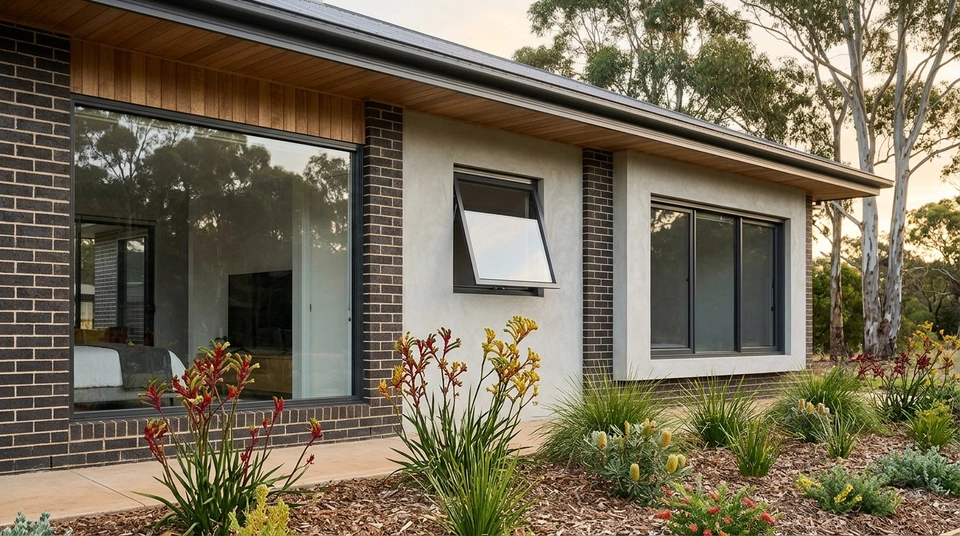
Window Types
Types of Windows in Australia: 9 Styles Compared on Airflow, Sealing, Cleaning and Cost
By Sheng Xu · 27 October 2026
AI-generated illustrative image. Not a product test, certification record or project evidence.
The types of windows Australia uses in houses come down to nine styles, and the main thing that separates them is how the sash moves. That movement decides how much air a room gets, how tightly the window seals when shut, whether it keeps rain out, and how hard it is to clean. Fixed, awning, casement, sliding, double hung, tilt and turn, louvre, bifold and parallel windows each solve a different problem, so the useful question is not which is best but which belongs on which wall.
Start with the sash, because the seal follows from the geometry rather than being added afterwards. A sash that swings shut against a compressible gasket behaves differently from one that slides past a brush strip. Once you know how a style closes, you can predict its draughts, its condensation and much of its price before you read a specification sheet.
Key takeaways. Nine window styles are compared on the same attributes: how they open, how much air they move, how they seal, rain, cleaning, placement and energy. Fixed windows are the most airtight and cheapest per square metre, awning and casement sashes seal on a compression gasket, sliding sashes use brush or wool-pile seals, and louvres move the most air but seal the least. Every SMIRO series is tested to AS 2047 and WERS-rated; the right style follows the room, the climate and the opening, not a single winner.
Comparing the nine styles on the same attributes
Most window guides describe one style in terms of looks and the next in terms of ventilation, which makes them impossible to compare. This one uses the same attributes for every style: how it opens and how much air it moves, how it seals, rain, cleaning, where it belongs, and energy. The opening figures come from YourHome, the Australian government's sustainable housing guide, which publishes maximum opening areas for a two-pane window by style. Keep them in view, because a window that opens wide and a window that moves air are not always the same thing.
Fixed windows: the reference point for everything else
Fixed windows do not open, which makes them the quiet baseline. There is no sash, track or gasket to wear out, wind and water performance are usually the best in any range, and the NSW Planning Portal rates their air infiltration as low. The trade-off is no ventilation and glass cleaned from outside. They earn their place as large picture panes, sidelights beside an opening unit, and above kitchen benches where a swinging sash would be in the way. A fixed unit is also the cheapest way to buy a given U-value, so fixed glass with a few openable units usually beats an all-operable wall on cost and comfort.
Awning and casement windows: the compression family
Awning windows hinge at the top and push out at the bottom on a chain winder, and they are the common style best at staying open through ordinary rain. YourHome records why: the open sash covers the opening, and the winder has a maximum throw of under 300 millimetres. That geometry caps airflow. YourHome puts maximum opening at 20 to 30 per cent of a two-pane window, and Breezway's modelling puts an awning at roughly 10 per cent of total window area at model sizes, falling to about 1 per cent at common sizes.
Casements hinge on the side and swing out like a door, clearing almost the whole frame. YourHome puts their maximum opening at 95 per cent and notes that a casement facing a prevailing breeze reaches out and steers air inside. The costs are practical. A casement projects up to 600 millimetres beyond the wall, so it is a poor choice over a path or garden bed, and it catches wind rather than deflecting it, so rain enters when it is open. Screens usually sit inside, which makes the window awkward to reach.
Grouping them matters because of the seal. YourHome states that awning and casement windows seal by compression and control air leakage much better than sliding windows, whose seals wear gradually from friction.
Sliding and double hung windows: the track family
Sliding windows run a sash sideways on a track and stop at roughly half the opening. YourHome puts maximum opening at 45 per cent, and Breezway's modelling lands at about 40 per cent at model sizes and 25 per cent at common sizes. They project nothing, which makes them the default for walkways and narrow setbacks, and the moving sash sits behind the fixed pane when open. The weakness is the seal. A sash that slides past a weather strip cannot compress it, so sliding windows rely on brush or wool pile that wears with use.
Double hung windows are two sashes that slide vertically past each other, and they remain the standard answer for heritage streetscapes. The vertical action gives control no other style matches: open the top and warm air leaves at ceiling height, open the bottom and cooler air enters low. YourHome puts maximum opening at 40 per cent. Sealing is comparable to sliding, and cheaper units without tilt-in sashes cannot be cleaned from inside, which owners of two-storey houses report as a lasting annoyance.
The energy note for both is the same, and it is not really about the style. A track seal is a maintenance item rather than a fixed property. Keep the track clean and a slider performs competently. Neglect it and it becomes the draughtiest opening in the house.
Tilt and turn windows: the inward-opening compromise
Tilt and turn windows use one handle for two jobs. Turn it one way and the sash tilts inward at the top, leaving a narrow gap for ventilation while the lower edge stays locked. Turn it further and the sash swings fully inward for cleaning. YourHome notes that tilt and turn windows generally have good whole-window U-values and superior air tightness, because multi-point locking pulls the sash onto continuous gaskets. The costs are real: the sash needs clear space inside, the screen usually sits outside, and in upper-floor bedrooms the turn position needs a restrictor, because NCC D3D29 requires the opening to stop a 125 millimetre sphere. Airflow is modest in tilt mode, around 20 per cent of the opening by YourHome's measure, against 95 per cent in turn mode.
Louvre windows: the most air and the least seal
A louvre window is a bank of horizontal blades that tilt together on one lever, and it opens essentially the whole window. YourHome puts maximum opening at 90 per cent, and Breezway's modelling puts its Altair louvres at 75 to 80 per cent of total window area, ahead of every other style. Blades can be angled part open to move air while keeping rain out and preserving privacy, which is why louvres became the Queensland answer for bathrooms and stairwells. The qualification is the seal. Every blade edge is a joint, so a tall bank carries many of them, and a cold, windy or noisy elevation is where that count starts to show.
Bifold and parallel windows: two specialty systems
Bifold windows fold their panels to one side so the opening clears completely, which is why they are the usual choice for a kitchen servery. The engineering is the problem. Many panels mean many hinges and many seals, and a Victorian Passive House designer's practice note calls bifold serveries draughty next to a fixed or sliding equivalent, warning that the tracks collect crumbs and the seals sit in cooking grease. A Houzz owner reported a 4 to 6 millimetre gap along the bottom of a new bifold servery.
Parallel windows, also sold as drift windows, move the sash outward while keeping it parallel to the wall, then hold it off the seal plane. Because the sash travels rather than swings, it can close onto a compression seal on all four sides while opening without projecting. The Australian supplier e2 describes its parallel opener as delivering roughly twice the ventilation of an equivalent top-hung window. That suits exposed elevations and apartments where a casement cannot swing out over public space. It is a specialty system, so expect longer lead times and fewer fabricators.
Matching window styles to rooms in an Australian house
Bathrooms and laundries want an awning, mounted high, usually with obscure glass. It vents steam continuously, keeps rain out, and the winder sits out of a child's reach. Kitchens want the same above a sink, because you are reaching over a surface rather than through an opening. Bedrooms are the contested room: an awning if you sleep with the window open in all weather, a casement for a breeze, a tilt and turn for inside cleaning, a double hung if the house is period. Living areas want the widest, clearest glass for the money, so a fixed pane with sliding or awning units beside it beats an all-operable wall.
Climate changes the weighting rather than the choice. In cooling-dominated south-east Queensland, airflow and shading matter more than the frame, so casements and louvres on the breeze side with awnings on the leeward side is a sound pattern, and YourHome makes exactly that pairing. In heating-dominated Victoria and the Adelaide Hills, seal and whole-window U-value dominate, so the compression family and a thermally broken frame earn their cost.
What actually drives the price difference
Cost tracks moving parts rather than glass area. A fixed window has none, so it is the cheapest per square metre. Sliding comes next, because a track and two rollers are simple hardware. Awning and casement cost more, since each sash needs a winder or friction stay and a compression seal. Double hung and tilt and turn add balance mechanisms or multi-point locking, and louvre adds a blade mechanism. Bifold sits at the top, because several panels need heavy tracks and precise alignment. Airtasker's 2026 supply-only guide fits that order: a standard sliding window around $350, a casement around $380 and a bifold around $1,250 per square metre. Those are indicative prices for a basic frame and glass. Frame and glass specification move the price more between quotes than the style does.
Two rules that catch people out
The first is the ventilation rule in the National Construction Code. Habitable rooms need openings with a ventilating area of at least 5 per cent of the floor area, and the code's explanatory note says the ventilating area is measured as the size of the openable sash, whatever the style. So an awning and a sliding window with the same sash area both satisfy the rule, even though the awning moves far less air.
The second is air infiltration. AS 2047 sets a maximum of 5.0 litres per second per square metre at a positive pressure of 75 pascals for its High level, and 1.0 for the Low level, and WERS reports the tested figure in the same units. A window can therefore be fully compliant and still sit at the loose end of the range. If draughts matter, ask for the WERS label and the air infiltration figure for your exact glass and frame combination.
Where the SMIRO range fits
Every style in this guide maps to something you can specify. Fixed, awning, sliding and louvre windows are catalogue systems in the SMIRO range. Casement, bifold windows, double hung, tilt and turn and drift windows are built as specialty systems to order, which suits a renovation where new joinery has to match an existing pattern. Every SMIRO series is tested to AS 2047 and every series on sale is WERS-rated. The figure that matters is the one for your exact glass and frame combination, so ask for the WERS label on the quote.
Frequently asked questions
What are the most common types of windows in Australian homes?
Sliding and awning windows are the two most common, with fixed windows used wherever a view or daylight matters more than ventilation. Double hung windows remain widespread in older housing stock, and casements, louvres and tilt and turn appear where the room or the architecture calls for them.
Which window style is best for a bathroom?
An awning window mounted high on the wall, usually with obscure glass. It vents steam continuously, keeps rain out, and the winder sits out of a child's reach. A louvre also works well in a warm climate where airflow matters more than the tightest seal.
Do awning windows let in less air than casement windows?
Yes. YourHome puts maximum opening at 20 to 30 per cent for an awning and 95 per cent for a casement, and a chain winder throws under 300 millimetres. The awning compensates by sealing tightly and by staying open in rain, which is why it suits wet rooms rather than living areas.
What is the difference between a drift window and a sliding window?
A sliding window moves its sash sideways within the frame and stops at about half the opening. A drift, or parallel, window moves the whole sash outward while keeping it parallel to the wall, then presses it onto a compression seal on all four sides. That gives better air sealing and a full-perimeter opening.
Which window styles can be left open in the rain?
Awnings are the reliable answer, because the open sash shields the opening. Louvre blades angled part open also shed most rain. Sliding, double hung, casement and bifold windows need closing when rain arrives.
Choosing window types is a scheduling exercise rather than a preference. Set the room, decide what that room needs from the opening, pick the style that delivers it, then spend what is left on the frame and glass specification, which is where the comfort actually comes from.
Our Products
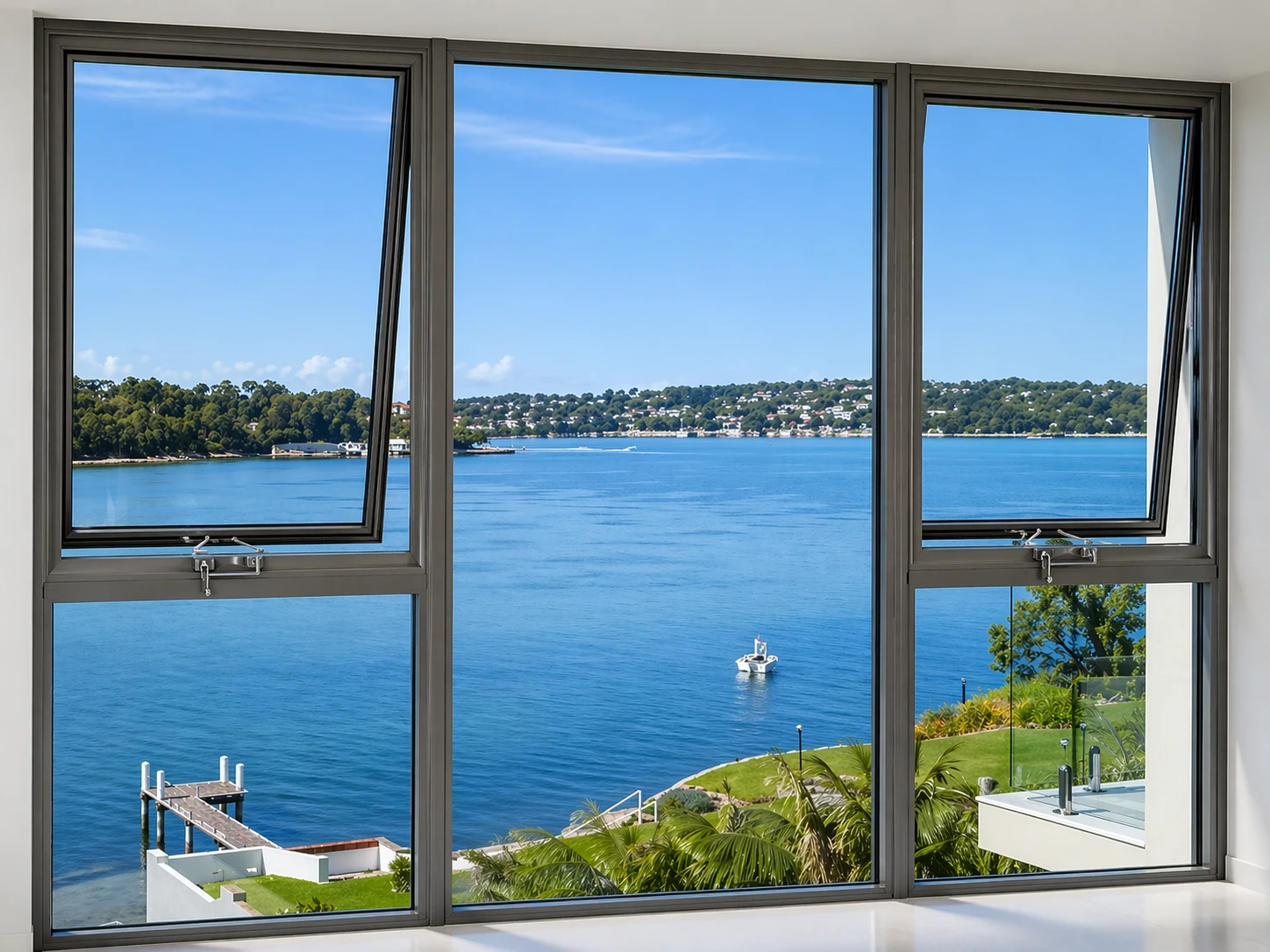
Awning Windows
View system
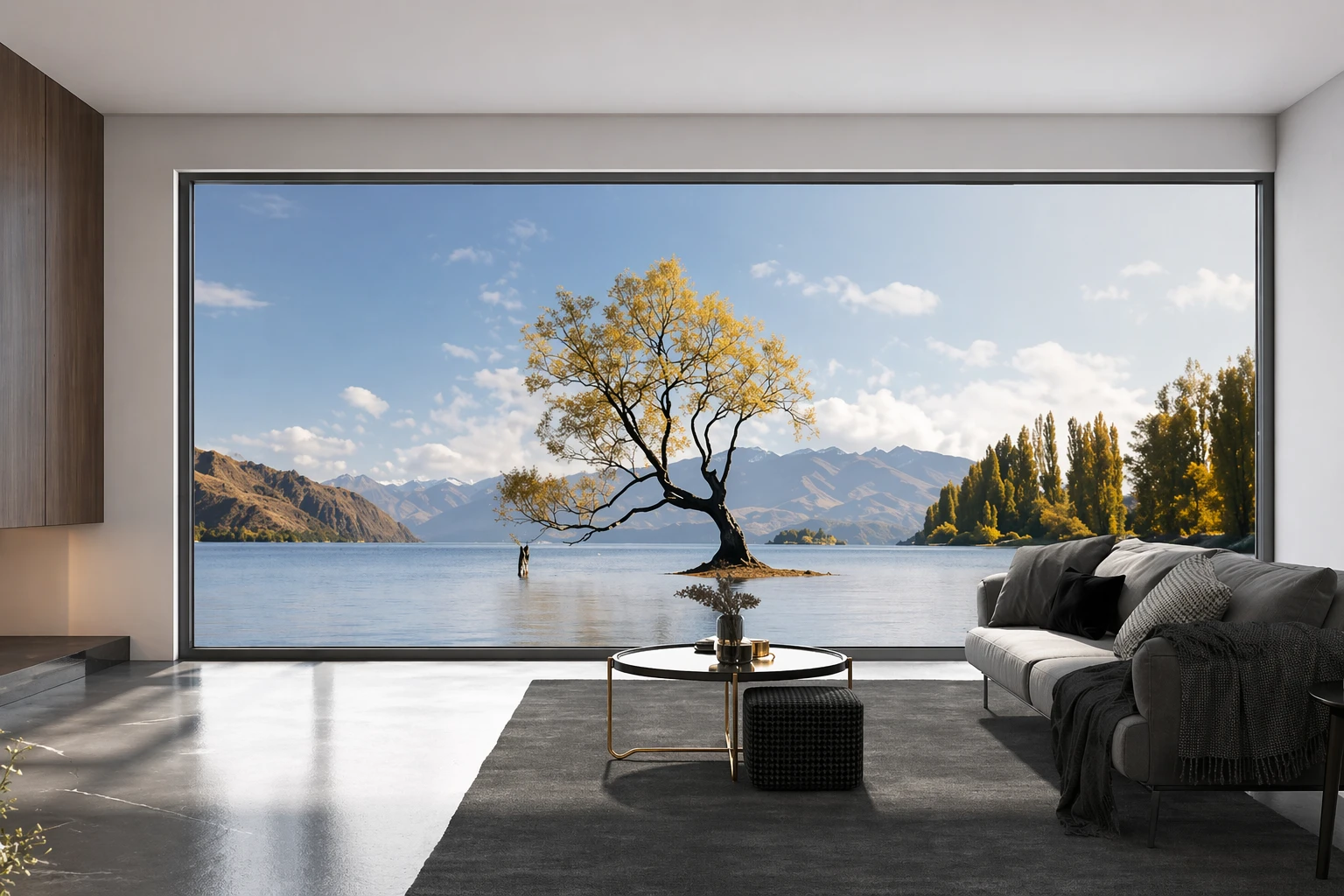
Fixed Windows
View system
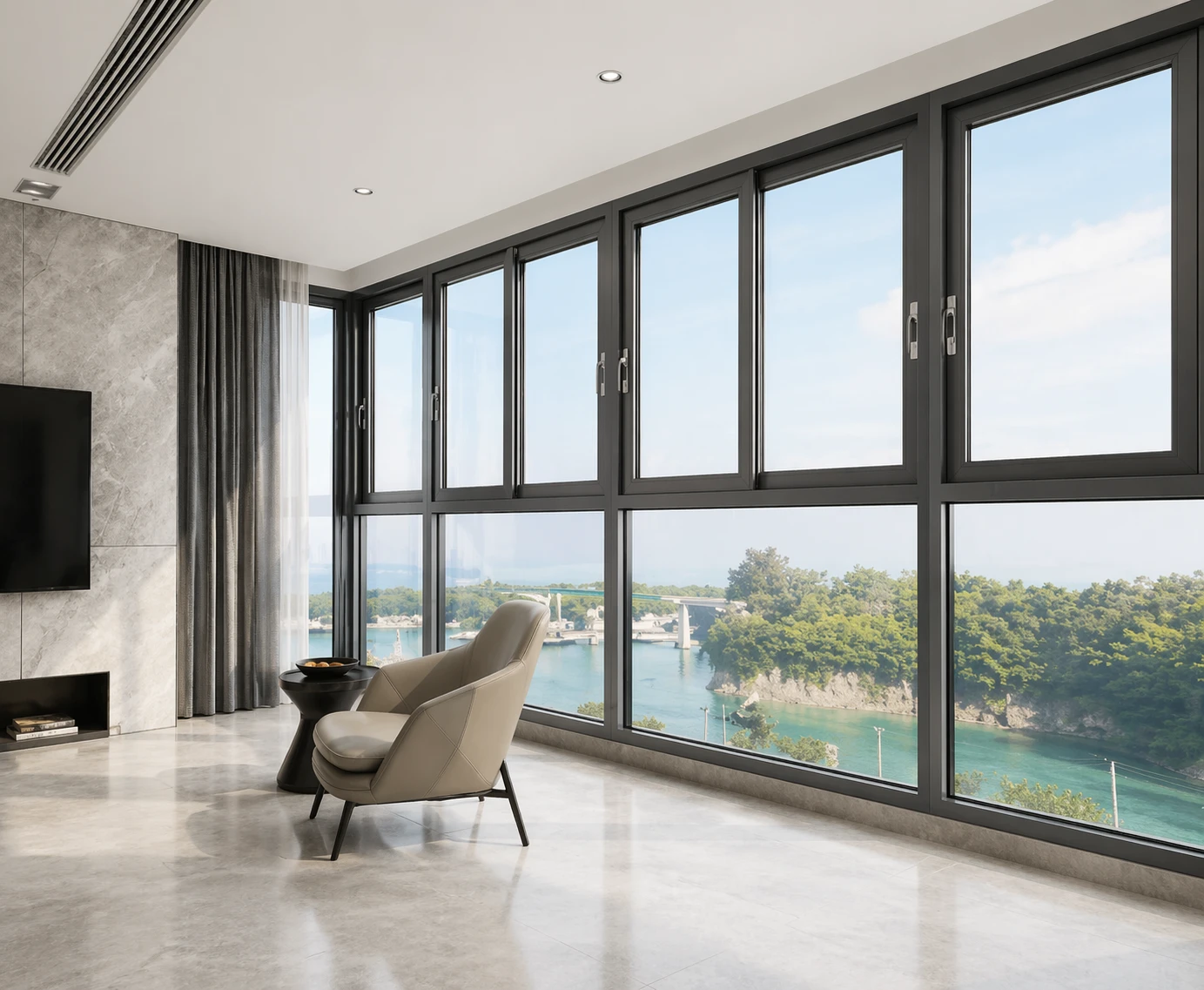
Sliding Windows
View system
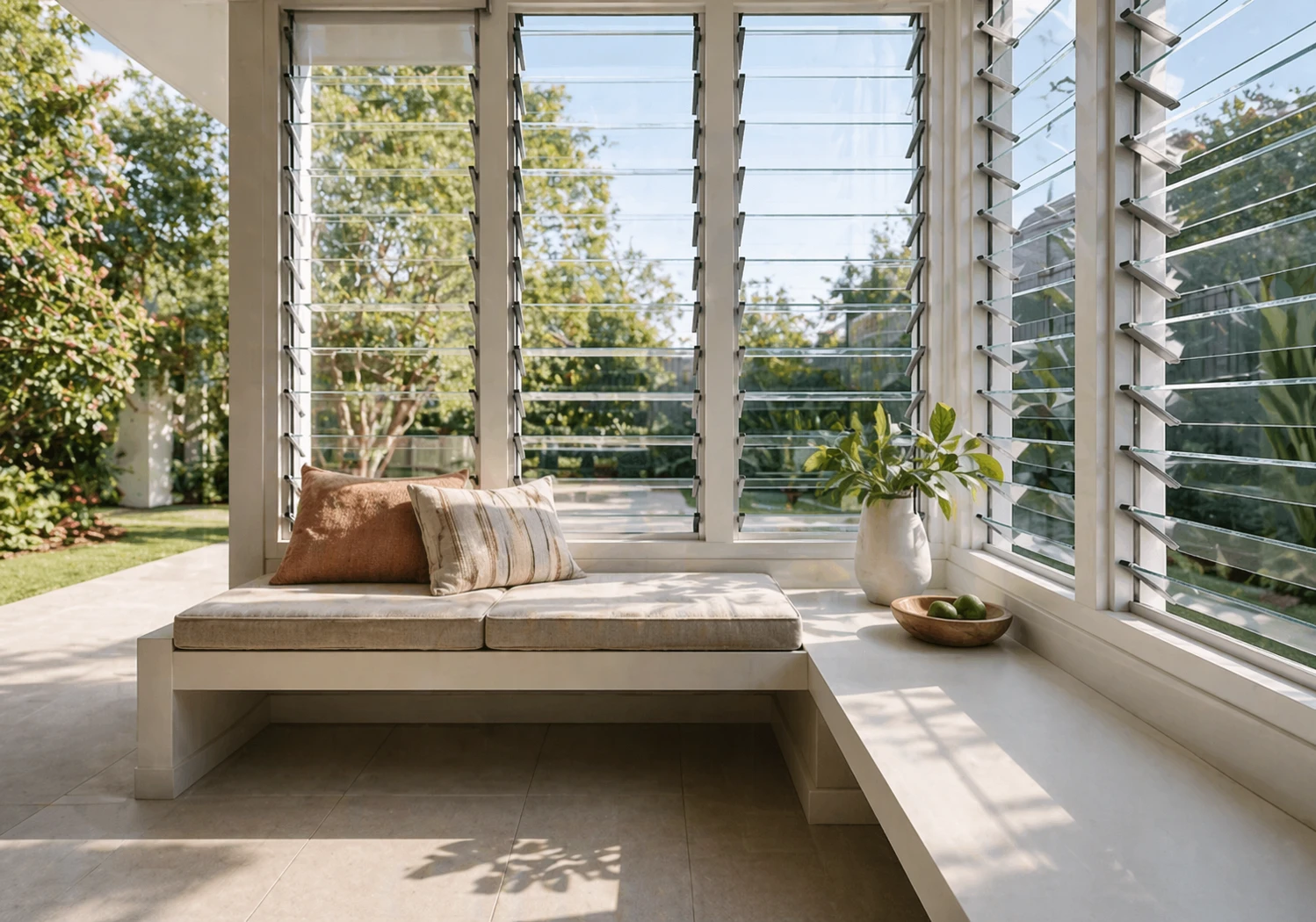
Louvre Windows
View system
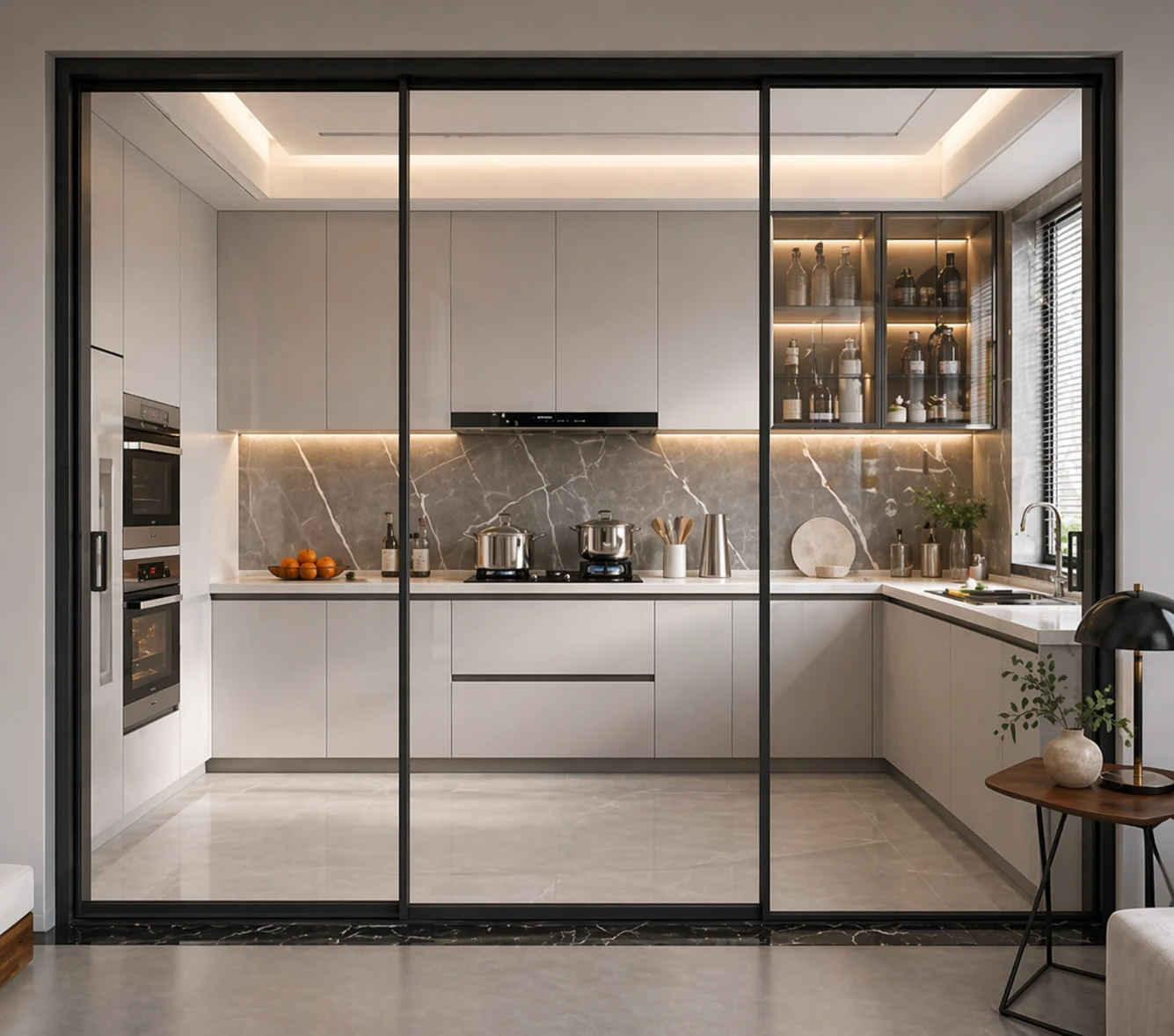
Sliding Doors
View system